
Full Mouth Dental Implants in Roseville and Sacramento: Cost, Process, and What to Expect
The cost to replace all teeth with implants depends on whether the upper arch, lower arch, or both need treatment, the type of teeth attached to the implants, and the clinical and laboratory work included. At Fusion Dental Implants, fixed full-arch treatment is advertised from $17,999 per arch. That is a starting price for one arch, not a total for both jaws or a quote for every patient. A personalized examination and written treatment plan tell you what your own care would involve.
Full-mouth implant treatment can be an option for people missing most or all teeth, living with dentures, or facing teeth that may not be restorable. It can affect how a person eats and speaks, but outcomes vary and the decision should not be driven by a before-and-after photo or a headline price. This updated guide preserves the essentials of our original article—candidate assessment, the staged treatment process, All-on-4 and All-on-X choices, and prosthesis materials—while showing how to read a complete estimate.
What counts as replacing all teeth with implants?
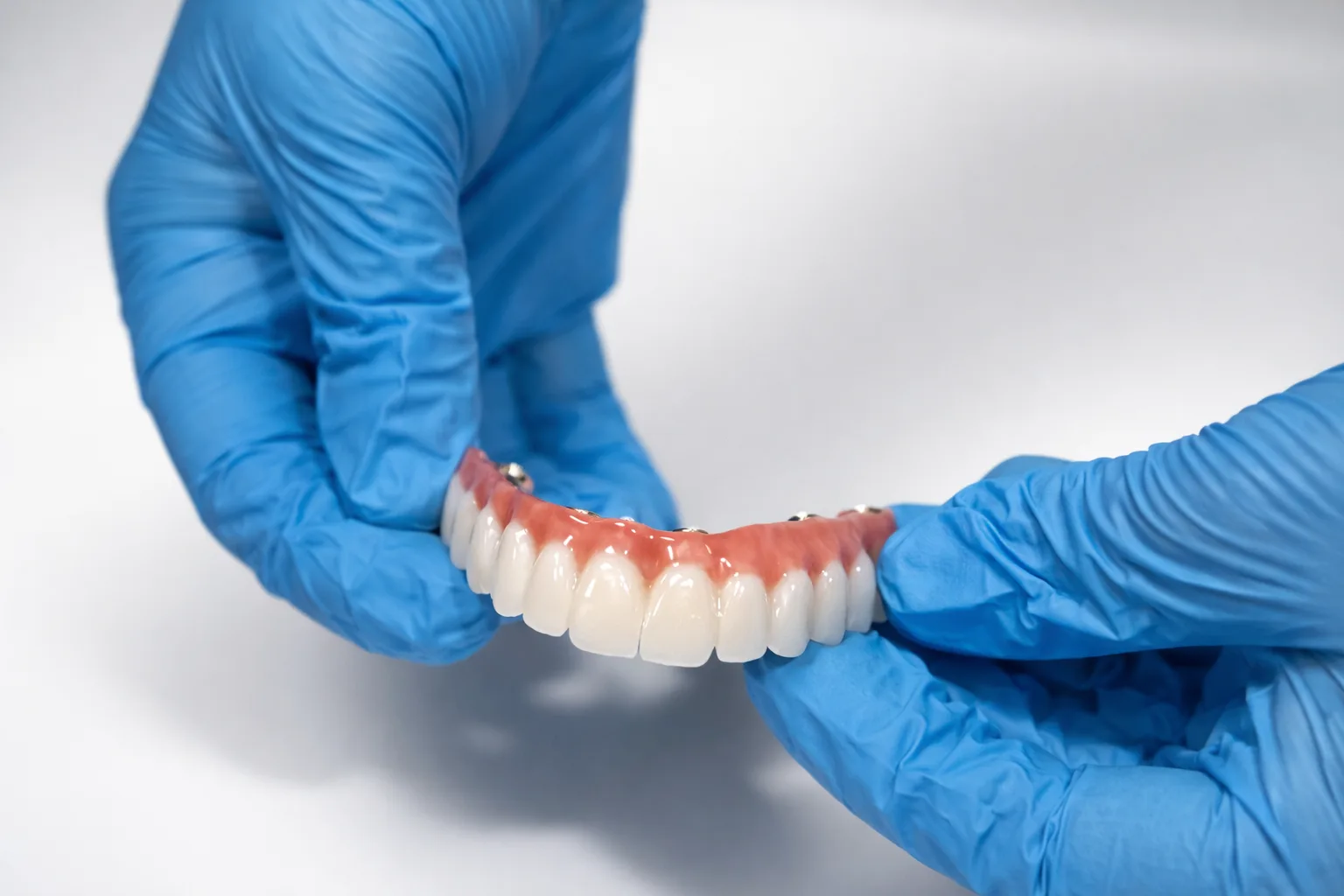
“Full mouth” is used loosely. It can mean a complete upper row, a complete lower row, or both. It does not usually mean placing an implant for every tooth. Several implants can support a prosthesis replacing an entire arch. The FDA's overview of dental implants describes the implant body, its connecting components, and possible risks, including failure and complications.
All-on-4, All-on-X, and removable overdentures
All-on-4 uses four implants to support a fixed arch when clinically appropriate. All-on-X is a broader description of full-arch restorations using an individually planned number of supports. Neither label is a substitute for evaluation of bone, bite, and restorative space. Read our All-on-4 explanation and All-on-4 versus All-on-X comparison for design considerations.
An implant-supported overdenture attaches to implants but can be removed by its wearer for cleaning. It differs from both a conventional denture resting on gums and a fixed bridge. Some people prioritize being able to remove the teeth; others value a design that stays in place during daily use. Ask the clinician which options are feasible for your anatomy before comparing their prices. The ADA's overview of dentures also explains the basics of removable tooth replacement.
| What matters | Fixed full-arch restoration | Removable implant-supported denture |
|---|---|---|
| Day-to-day wear | Bridge stays attached during routine use. | Patient places and removes it for cleaning. |
| Number of supports | Planned according to anatomy and bridge design; All-on-4 is one approach. | Planned for the particular attachment system and anatomy. |
| Home hygiene | Clean around implants and underneath the bridge as instructed. | Clean the denture, attachment areas, and mouth separately. |
| Maintenance | Professional cleaning, checks, and possible bridge or component repair. | Attachment servicing, fit checks, possible relines or replacement. |
| Temporary phase | A provisional bridge may be possible at surgery for eligible cases; not guaranteed. | Ask what temporary appliance would be used during healing. |
| Estimate questions | Confirm surgery, provisional teeth, final bridge, materials, and visits. | Confirm surgery, attachments, denture, fit adjustments, and visits. |
| Trade-off | Fixed feel but cleaning beneath it requires attention. | Removable cleaning access but attachment and fit maintenance are important. |
Neither column is universally “better,” and neither eliminates the need for routine care. A quote for removable teeth should not be compared directly with a quote for fixed zirconia teeth as though they were the same treatment.
Who may be a candidate?
People missing all or most teeth in one or both jaws may ask about full-arch implants. Patients with an older denture that does not fit comfortably may also want to explore an implant-supported alternative. When several teeth are failing, the decision about whether they can be saved belongs to a clinical examination; tooth removal is not automatic just because someone asks about full-mouth implants.
The assessment includes health history, medications, oral hygiene, remaining teeth, gums, bite, and the amount and position of available bone. Smoking, poorly controlled health conditions, and active oral infection may affect the recommendation or require a different sequence of care. The NIDCR guide to gum disease describes how periodontal disease affects supporting tissues and bone. If you have a history of periodontal problems, ask how they would be evaluated and managed before and after implant surgery.
Even if previous tooth loss has affected your bone, do not assume implants are either impossible or guaranteed. Three-dimensional imaging can help the clinician consider implant positions, grafting when appropriate, or another restoration. See who may qualify for All-on-4 and our bone grafting guide. Individual assessment determines which, if any, approaches are reasonable.
The full-mouth implant process, step by step
The path at a glance: Examination and imaging → Individualized design and estimate → Necessary preparation → Implant placement and temporary teeth if suitable → Healing and follow-up → Final prosthesis and long-term care.
1. Consultation and imaging
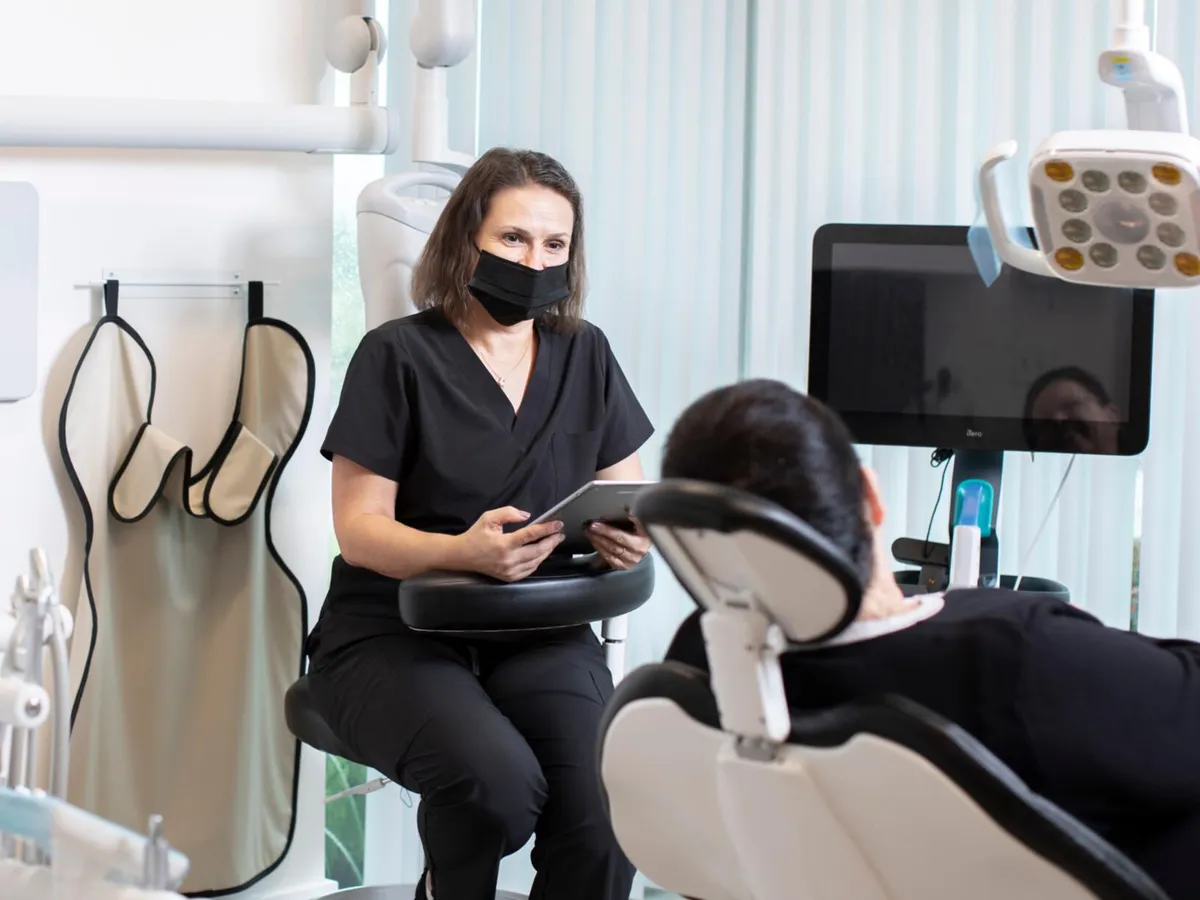
The first visit is for listening as well as scanning. Tell the team what you currently wear, what bothers you, what medical conditions or medicines might matter, and whether fixed or removable teeth appeal to you. Bring existing records and a current medication list if you have them. The clinician examines your mouth and uses appropriate imaging; cone-beam CT may help map bone and nearby anatomical structures. Ask whether the scan and subsequent planning are included in the written quote.
2. Treatment design
Surgical placement and the restorative design need to work together. The proposed positions depend not only on where bone is available, but also on where the final teeth should sit and how you will clean them. Ask how the number of implants was chosen, which teeth can be retained, what alternatives were considered, and what a temporary prosthesis would be like. See our guide to 3D implant planning.
3. Preparation and surgery
If remaining teeth cannot be saved, extractions may be planned before or during implant placement. Bone grafting or another preparatory procedure may be recommended in some cases but is not universal. The treatment plan should specify where and when each procedure happens, anesthesia options, and expected post-operative instructions. Surgery near nerves and sinuses requires patient-specific planning; even careful treatment carries risks.
Some eligible patients can receive a temporary full arch on the day implants are placed. Same-day teeth are not the finished restoration and are not guaranteed for every patient. Implant stability, bone, bite, and other findings affect the decision. If immediate attachment is not advised, ask what you will wear during healing and when changes may be made.
4. Healing and the final teeth
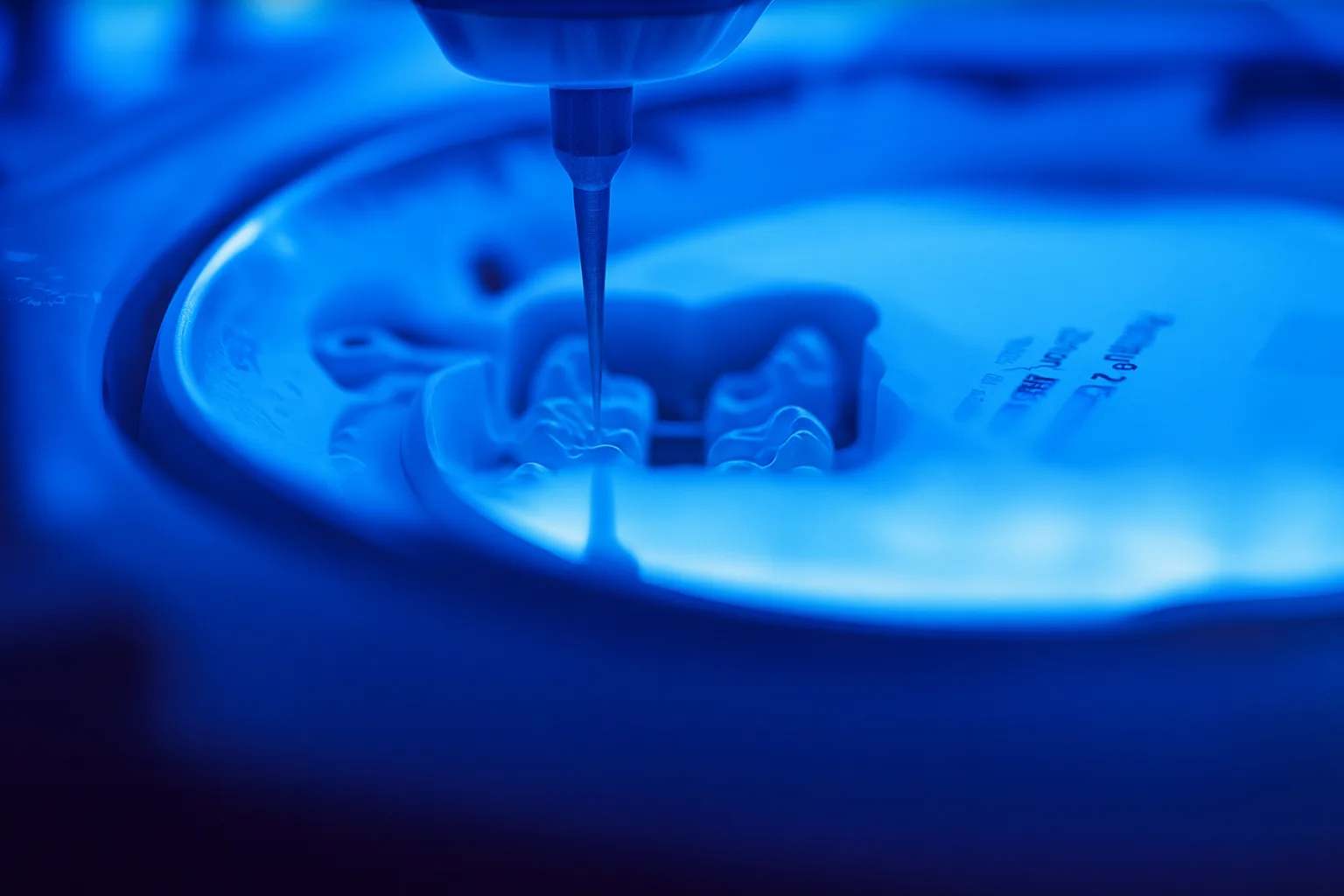
Implants need time to integrate with surrounding bone; the schedule differs by case. Follow your clinician's instructions about diet, cleaning, medications, and appointments rather than relying on a universal timeline. The team assesses healing before proceeding to impressions, bite refinement, and fabrication of the definitive prosthesis. The original post discussed zirconia and acrylic-over-framework restorations: both are possibilities, with differing repairability, appearance, wear, and fabrication considerations. Ask which material is actually specified in your quote. Our zirconia arch guide explains common trade-offs.
When the final bridge or denture is fitted, ask how to clean it and how often it should be checked. The implant posts, connecting hardware, and visible teeth do not share a single guaranteed lifespan. Good maintenance matters, and repairs or adjustments may be necessary.
How to read the full-mouth implant cost
The most important question is “What treatment does this price buy?” A starting figure can describe one arch of fixed teeth while another estimate describes only implant placement or a temporary prosthesis. Fusion's advertised from $17,999 per full arch is not a promise that all required work for every patient will cost exactly that amount. Both arches are a different scope from one arch, and other procedures can change an individual's total.
Request an itemized written plan covering:
- Scope: upper, lower, or both arches; fixed bridge or removable overdenture; number of proposed implants.
- Diagnostics: examination, imaging, treatment design, and any extra scans or records.
- Preparation and surgery: extractions, grafting if indicated, implant placement, components, and anesthesia or sedation if planned.
- Restoration: temporary teeth when appropriate, final teeth, specified material, fit and bite adjustments, and who makes the prosthesis.
- Aftercare: scheduled visits, professional maintenance, repairs, and what happens if the plan changes.
If one estimate lists a provisional bridge but not the final bridge, it is not comparable to a plan that lists both. Likewise, compare one-arch and two-arch estimates separately. Ask what is certain, what is contingent on findings, and how changes are communicated and authorized. Written details matter more than an assurance that the quote is “all-inclusive.”
Dental insurance may cover some components, none, or a different amount than expected. Ask your insurer about exclusions, waiting periods, annual limits, and each procedure under consideration. A predetermination is a planning aid, not a payment guarantee. Ask about financing in California: Fusion advertises from $299 per month for qualifying full-arch patients, subject to lender approval and terms. Review total repayment and the complete written terms before applying. If comparing a competing quote, read the current price-match conditions and confirm that scope and components are comparable.
Making a choice that fits your life
An experienced team and careful planning matter, but no provider can promise a specific outcome. Ask who is responsible for surgery, the final teeth, follow-up, and urgent questions. In addition to qualifications, judge whether you receive a clear explanation of alternatives, limitations, and future upkeep. If your main concern is removable versus fixed teeth, our snap-in versus All-on-4 comparison offers another starting point; verify any historical prices against your current personalized plan.
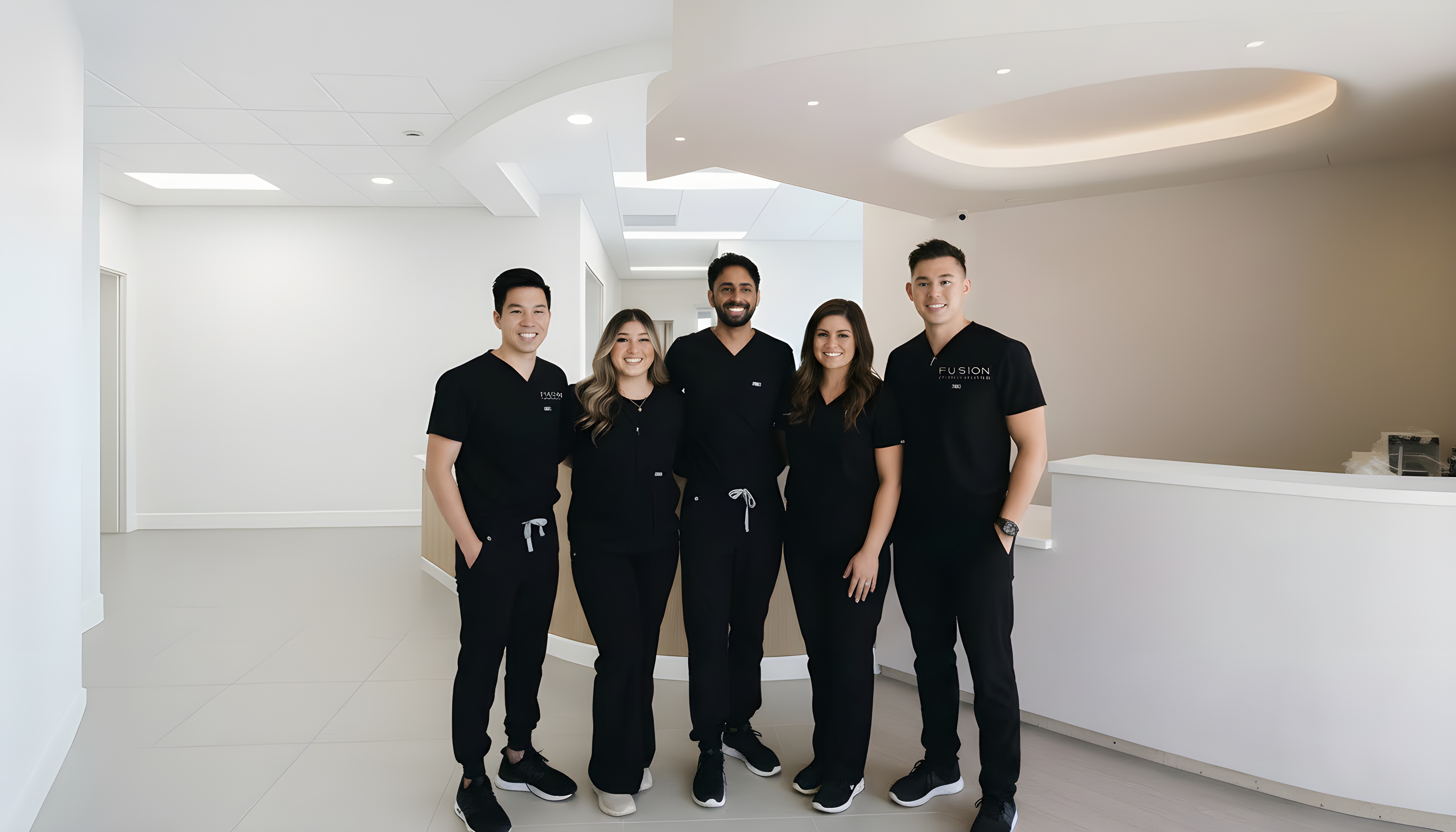
Fusion Dental Implants has offices in Roseville and El Dorado Hills and serves patients from Sacramento, Rocklin, and the surrounding region. Bring your questions and prior records to a consultation. Ask for a written plan that reflects your oral health, preferences, and budget rather than committing on the basis of a generic number. Request a consultation when you are ready to review your options.
About Fusion Dental Implants: We provide implant treatment at offices in Roseville and El Dorado Hills, California.
This article is for general patient education and is not a substitute for personalized medical advice, diagnosis, or treatment. Your dental professional can evaluate your health, anatomy, and options.
Related reading: Snap-in implant-supported dentures, dental implant costs explained, and implant recovery week by week.
Frequently Asked Questions
What are full mouth dental implants?
Full mouth dental implants support replacement teeth for a complete upper arch, lower arch, or both. A fixed full-arch bridge can use several implants rather than one per missing tooth; a removable implant-supported denture is another option. The design depends on a clinical evaluation and your preferences.
How much does it cost to replace all teeth with implants?
Fusion advertises fixed full-arch implants from $17,999 per arch, not for both arches. Your total may differ based on which arches need treatment, preparation, surgery, restoration materials, and the services included. Request an individualized written estimate after examination and imaging.
Does a full-mouth implant estimate include temporary teeth?
Not automatically. Ask whether temporary teeth are planned, whether they are fixed or removable, and whether their fabrication, placement, adjustments, and replacement by the final prosthesis are included. The ability to receive teeth on surgery day depends on individual clinical findings.
Are full mouth dental implants permanent?
Implants are designed as long-term supports, but no implant or prosthesis is guaranteed to last for life. A fixed full-arch bridge remains attached during daily use, while a removable implant-supported denture comes out for cleaning. Both need home hygiene and professional follow-up.
Can I get full mouth implants and teeth on the same day?
Some candidates can receive a temporary restoration when implants are placed. It is not suitable for every case and does not mean the final teeth are finished that day. The clinician will discuss implant stability, healing, and a suitable temporary plan based on your examination.
Can dental insurance help pay for full-mouth implants?
It depends on your specific policy and each proposed procedure. Ask the insurer about exclusions, annual limits, and potential benefits for imaging, extractions, implants, and prosthetic work. A predetermination is useful for planning but is not a promise of payment.
What makes a full-mouth implant estimate change?
Treating one arch versus both, existing teeth, bone condition, extraction or grafting needs, the prosthesis design and material, and follow-up provisions can affect the total. Ask what is known now, what is only a possibility, and how any revised plan would be approved before treatment.
Where can I discuss full mouth dental implants near Sacramento?
Fusion Dental Implants has offices in Roseville and El Dorado Hills and serves people from Sacramento and nearby communities. Ask for a consultation to discuss an examination, treatment alternatives, written inclusions, and current financing terms. Suitability and cost require individual assessment.
Ready to Transform Your Smile?
Schedule your free consultation today and discover how dental implants can change your life.