Full Mouth Reconstruction Cost in Sacramento: How to Evaluate Your Options
Full-mouth reconstruction cost in Sacramento depends on which teeth can be preserved, which need replacement, and the surgical and restorative stages included in the estimate. Compare written treatment plans, not just headline prices. Fusion’s offices are in Roseville and El Dorado Hills.
What if the lowest estimate for full mouth reconstruction leaves out steps that may be important to your care? It’s a fair concern: the phrase can describe very different treatment plans, and the full mouth reconstruction cost Sacramento patients receive depends on their individual needs, not a standard package price.
A useful estimate connects your goals and clinical findings to each treatment stage. It explains the recommended approach, restoration type, materials, and what’s included, so you can compare plans on equal terms rather than focusing on the total alone.
This guide outlines the treatment elements that can shape an individualized estimate, how options such as All-on-4, full-arch implants, and implant-supported dentures differ, and what to bring to a Sacramento-area consultation. You’ll also learn how to compare estimates and what to ask as an implant-focused assessment turns your concerns into a clear plan and next steps.
The path at a glance: Assessment → Review alternatives → Agree on a personalized plan → Treatment when appropriate → Follow-up and maintenance
Key Takeaways
- The full mouth reconstruction cost Sacramento patients are quoted depends on the clinical plan, so focus on what the estimate includes rather than the total alone.
- Compare estimates by checking whether they cover similar procedures, restorations, diagnostics, follow-up care, and exclusions.
- Learn how fixed full-arch options and removable implant-supported options serve different needs and goals.
- Prepare for your consultation with relevant dental records, prior imaging, medication details, insurance information, and a list of your goals.
- See how an individualized assessment can guide next steps for implant-focused and complex restorative care with Fusion Dental Implants.
What Does Full Mouth Reconstruction Cost in Sacramento Depend On?
The full mouth reconstruction cost Sacramento patients are quoted depends on the care their teeth and oral health require. Full mouth reconstruction is a coordinated treatment approach for restoring multiple teeth, improving function, and addressing restorative needs. It isn’t one standardized procedure with a universal fee.
A reconstruction estimate reflects the recommended clinical plan and the components needed to carry it out. That plan may address one or both arches and combine different treatments, rather than use a single solution for every tooth. The term can overlap with full-arch restoration, but the treatments aren’t automatically identical. Full-arch implant treatment focuses on replacing an entire arch with an implant-supported restoration; a broader reconstruction plan may also preserve and restore existing teeth. For context, Full mouth reconstruction is also used to describe full-arch restoration.
What treatments might a full mouth reconstruction plan include?
Depending on clinical findings, a plan may include crowns to restore damaged teeth, bridges to replace missing teeth, dental implants, or implant-supported dentures. These options serve different purposes: some restore existing teeth, while others replace missing teeth or support a removable restoration. The recommended combination depends on the condition of the remaining teeth, oral health, and your goals. Implants aren’t necessary for everyone, and treatment doesn’t follow one fixed sequence.
This is why two estimates described as “full mouth reconstruction” may cover different work. One could focus on restoring teeth that can be retained; another may include replacing more teeth with implant-supported restorations. Compare the teeth and areas addressed, the type of restoration proposed, and the treatment stages. The label alone doesn’t reveal the scope.
Why does the first estimate need a clinical assessment?
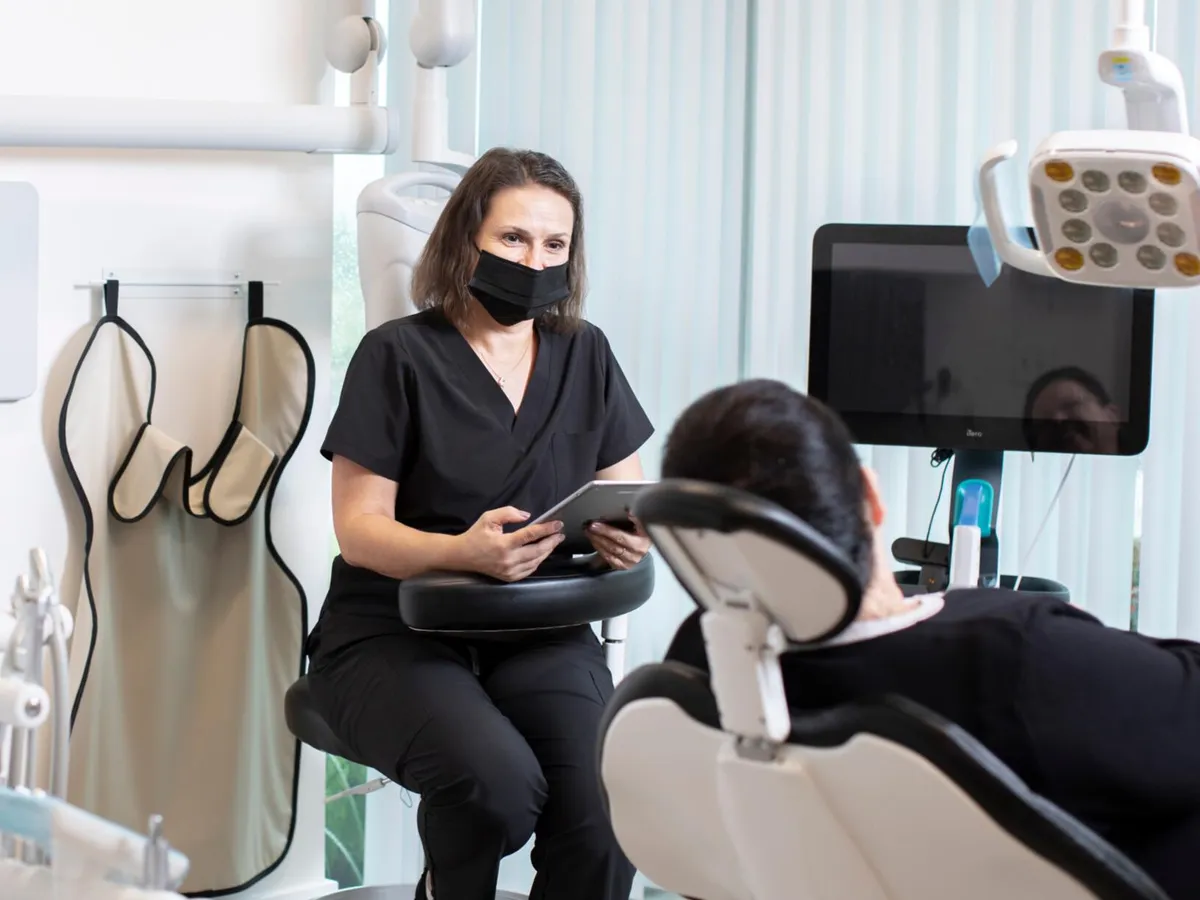
An examination and diagnostic imaging help the care team evaluate the teeth, gums, and jawbone. Those findings inform which treatment approaches may be appropriate and whether additional steps are needed before restorative work can proceed. A description of symptoms or a general estimate can’t account for everything an in-person assessment may reveal.
For Sacramento patients, the assessment is where goals and clinical needs come together in an individualized plan. It clarifies which procedures are recommended and how they relate to one another, giving the estimate a meaningful basis. The aim is not to assign a universal figure, but to explain the proposed care and its components so you can understand what the plan is designed to address.
Which Treatment Factors Shape a Sacramento Full Mouth Reconstruction Estimate?
The scope of care is a major factor in an individualized estimate. Restoring several teeth that can be preserved may involve a different plan than replacing teeth that are missing or cannot be restored. The condition of each tooth, the number of areas needing treatment, and how the upper and lower teeth work together all help shape the recommended approach.
An estimate changes with the treatment scope, materials selected, and clinical complexity of the case. The American College of Prosthodontists describes full mouth reconstruction as rebuilding or simultaneously restoring all of the teeth. In practice, the plan may include fixed restorations, implants, or removable implant-supported options, depending on the findings and your priorities.
How do full-arch implants and implant-supported dentures differ?
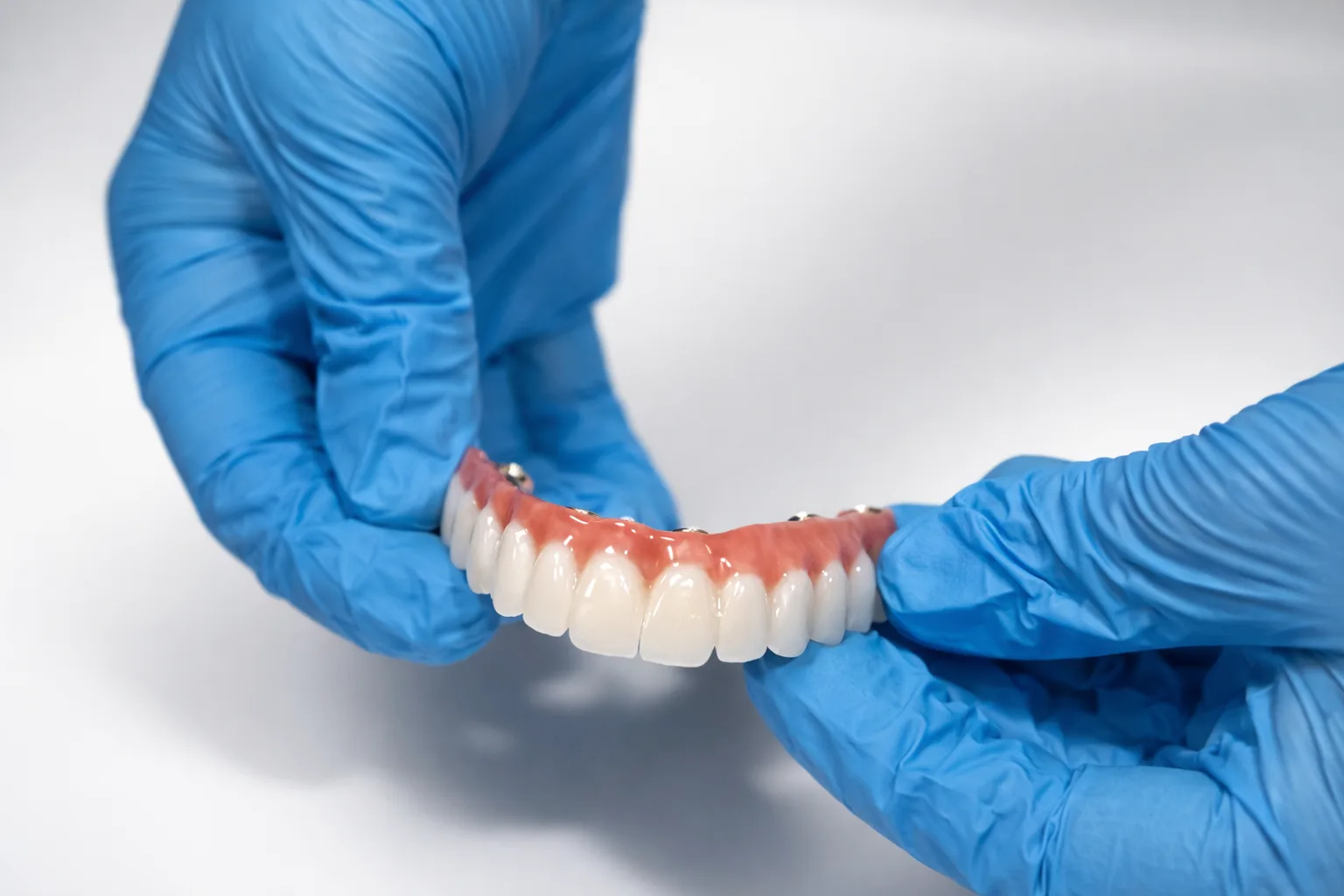
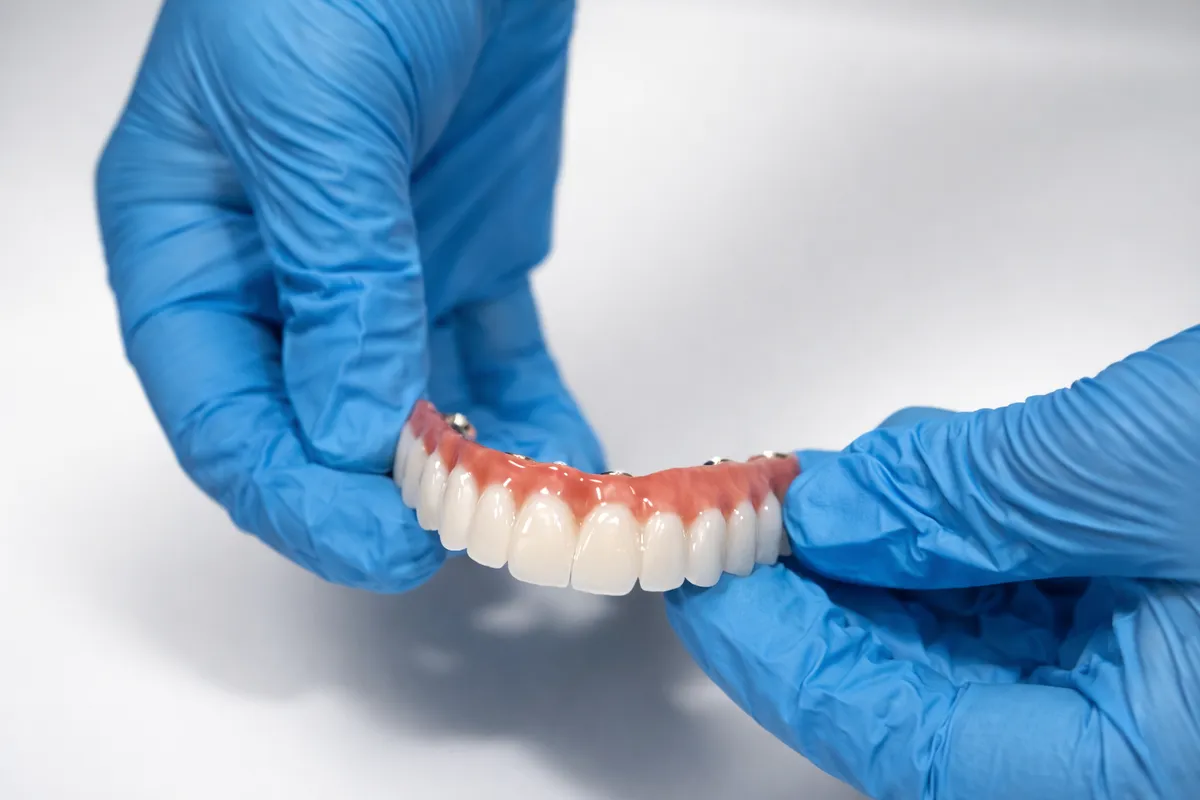
A fixed full-arch restoration is secured to dental implants and is designed to remain in place during daily use. An implant-supported denture, including a snap-in option, attaches to implants for support but can be removed by the patient for cleaning. Both approaches replace teeth, but they differ in removability and how the restoration is cared for each day.
Neither option is right for everyone. Your goals for stability and daily care matter, as do the clinical findings. When reviewing an estimate, look for the restoration type and how it fits into the overall plan. A fixed restoration and a removable implant-supported denture aren’t interchangeable, even when both replace a full arch.
How can diagnostic findings change the recommended plan?
Tooth condition, gum health, and the amount of available jawbone help guide treatment planning. For example, a tooth that can be restored may call for a different approach than one that needs replacement. If implant treatment is being considered, the jawbone is part of the assessment because it provides support for implants.
Preparatory procedures, such as bone grafting, may be considered if the clinical assessment indicates they’re needed. They shouldn’t be assumed in advance: the recommendation depends on examination findings and diagnostic imaging. Materials and the design of the final restoration also influence the plan. A useful estimate connects each proposed component, including any identified preparatory care, to the findings that support it.
To understand your full mouth reconstruction cost Sacramento estimate, look for a clear connection between the findings, recommended treatment, and restoration type. A specialist-led assessment can help you review those choices in relation to your goals and clinical needs. Explore implant treatment options as you consider what to discuss during your assessment.
How Can Sacramento Patients Compare Full Mouth Reconstruction Estimates Fairly?
A lower initial figure doesn’t automatically mean better value. It may describe only an early treatment phase, while another estimate may outline more of the recommended care. To compare the full mouth reconstruction cost Sacramento patients are quoted, first check whether each plan addresses similar functional and restorative goals. Then compare the procedures, restoration, and other components included in each estimate.
What should a complete written treatment estimate clarify?
Look for the recommended procedures and the restorative result they’re intended to achieve. The estimate should make clear which items are included, which are excluded, and which details depend on findings during treatment. If care is staged, distinguish the cost of the initial phase from the scope of the complete recommended plan. Check that the stages are described in a way that makes their purpose and relationship to the final restoration understandable.
Use this checklist to organize the comparison:
| Estimate area | What to compare |
|---|---|
| Procedures | Which teeth or areas are treated, and what procedures are planned? |
| Prosthetics | What restoration is planned, such as a fixed or removable option, and what materials are specified? |
| Diagnostics | Are the examination and imaging used for treatment planning addressed? |
| Follow-up | What follow-up care is described, and are maintenance needs outlined? |
| Exclusions | Are temporary restorations, additional procedures, or items dependent on new findings listed as excluded or uncertain? |
What questions help make two Sacramento estimates comparable?
Ask how each plan supports the same goals, then request a plain-language explanation of any differences. For example, one estimate may propose a fixed full-arch restoration while another describes a removable implant-supported denture. Those plans differ in removability and daily care, so their totals can’t be compared meaningfully without understanding the intended result and what each estimate includes.
- Does each plan address the same teeth, function, and restorative goals?
- Are the proposed restoration type, materials, and treatment stages clearly described?
- Which diagnostics, temporary restorations, follow-up visits, and maintenance items are included?
- What is excluded, or may change if clinical findings differ during treatment?
It’s reasonable to take time to understand the answers. A clear comparison separates the initial phase from the full plan and shows what each estimate is designed to accomplish. That gives you a more useful basis for weighing options than the lowest starting figure alone.
How Should You Prepare for a Full Mouth Reconstruction Consultation in Sacramento?
A little preparation can make a complex treatment conversation clearer and more useful. Bring what you have, note what matters most to you, and use the assessment to understand how clinical findings connect to the proposed plan. You don’t need to arrive with every record in hand; the goal is to share helpful context and leave with a clearer sense of next steps.
What information should you bring to the consultation?
Gather relevant dental records and prior imaging if they’re readily available. Make a note of current concerns, relevant health history, and medications, including anything that may affect treatment planning. Insurance details can also help the team discuss how applicable benefits may fit into the financial picture. Your priorities matter, too: consider what you hope to improve about comfort, function, or your smile.
Use this simple sequence to prepare and follow the discussion:
- Gather records: Bring prior dental information, imaging, medication details, and insurance information when available.
- List your goals: Write down concerns and the outcomes that matter most to you.
- Attend the assessment: Share your history and discuss the examination and any diagnostic imaging.
- Review the plan: Ask how the recommended care addresses your needs, what each stage involves, and what the estimate includes.
How can you discuss financing and treatment timing?
Ask whether the recommended treatment is planned in stages and what each stage is intended to address. You can also discuss sequencing and healing considerations, including how findings or recovery may affect the plan. Timing is individual, so use the consultation to understand the factors that could influence your care rather than expecting a fixed schedule before assessment.
After reviewing the clinical plan, raise your financial questions. Ask how the estimate relates to each stage and what information is available about financing options and current terms. This keeps payment discussions grounded in the actual treatment being considered. Financing can be part of planning, but it doesn’t replace understanding the procedures, restorations, and other components included in the plan.
Clear answers help you make decisions at a pace that feels manageable. If you’re ready to discuss your goals and review an individualized implant-focused treatment plan, schedule a full mouth reconstruction consultation.
What Is the Next Step for Full Mouth Reconstruction with Fusion Dental Implants?
Once you’ve clarified what a complete estimate should explain, the next step is to connect your goals with your clinical needs. Fusion Dental Implants provides implant-focused care for full-arch and complex restorative cases, including All-on-4 dental implants, full-arch implants, implant-supported dentures, snap-in dentures, and complex or revision cases. The right approach depends on your assessment, not on a standard package or a one-size-fits-all estimate.
How does an individualized implant consultation support a clear estimate?
A consultation brings the clinical and practical parts of planning together. You can describe what you want to improve, while an assessment helps the care team understand your oral health and discuss appropriate surgical and prosthetic options. For Sacramento patients comparing the full mouth reconstruction cost Sacramento estimates they’ve received, the goal is to understand what each proposed plan is designed to accomplish.
Review the recommended procedures, restoration type, treatment sequence, and estimate components together. Ask what each stage is intended to address and which details depend on clinical findings. This discussion can help clarify why one plan may differ from another without assuming that every patient needs the same treatment. Fusion Dental Implants provides same-day dental implant procedures for eligible patients. The assessment determines whether that pathway is appropriate; it isn’t a promised timeline or outcome.
How can Fusion Dental Implants help Sacramento-area patients plan the next step?
Fusion Dental Implants serves Sacramento and nearby communities, including Roseville, El Dorado Hills, Rocklin, Loomis, Lincoln, and Elk Grove. The planning process starts with your goals and an individualized assessment, then moves to a review of the treatment plan and its components. This gives you an opportunity to understand the recommended care and discuss questions before deciding how to proceed.
Financial planning belongs in that conversation, too. Flexible financing options are available, and discussing them alongside the treatment plan can help you consider the financial side with the clinical scope in view. Review the current terms as part of that discussion, and make sure you understand the care being proposed before weighing payment options.
You don’t need to have every decision made before starting the conversation. Bring your questions, explain what matters most to you, and take time to review the plan. To begin discussing a personalized implant-focused reconstruction plan, schedule a consultation with Fusion Dental Implants.
Plan Your Next Step With Confidence
The full mouth reconstruction cost Sacramento patients receive depends on the complete treatment plan, including the procedures and restorations recommended for their needs. To compare estimates fairly, look beyond the initial figure: check whether each outlines a similar treatment scope, stages of care, and included components.
A consultation can connect your goals with an assessment and an individualized surgical and restorative plan. Fusion Dental Implants’ board-certified surgeons provide implant-focused care for full-arch and complex cases. Financial planning can also include a discussion of flexible financing options and the price-match guarantee, with applicable terms reviewed as part of the conversation.
You deserve to understand the plan before deciding how to move forward. Schedule a consultation with Fusion Dental Implants to discuss your goals and review personalized next steps. A clear plan is a strong place to begin.
Planning your next step
For implant benefits, risks, and follow-up, review the FDA dental implant guidance and the American Dental Association’s patient implant overview. These explain why individual assessment and ongoing care matter.
Understanding the advertised starting price
Fusion advertises single-tooth implants from $1,850 and full-arch treatment from $17,999 per arch. These are starting offers, not a personalized reconstruction quote or a price for both arches. Ask what your written plan includes and which additional procedures may change the total. Financing is available from $73/month for single-tooth treatment and $299/month for full-arch treatment, subject to approval and applicable terms. Review financing details and the price-match guarantee; confirm eligibility, total repayment, and exclusions before committing.
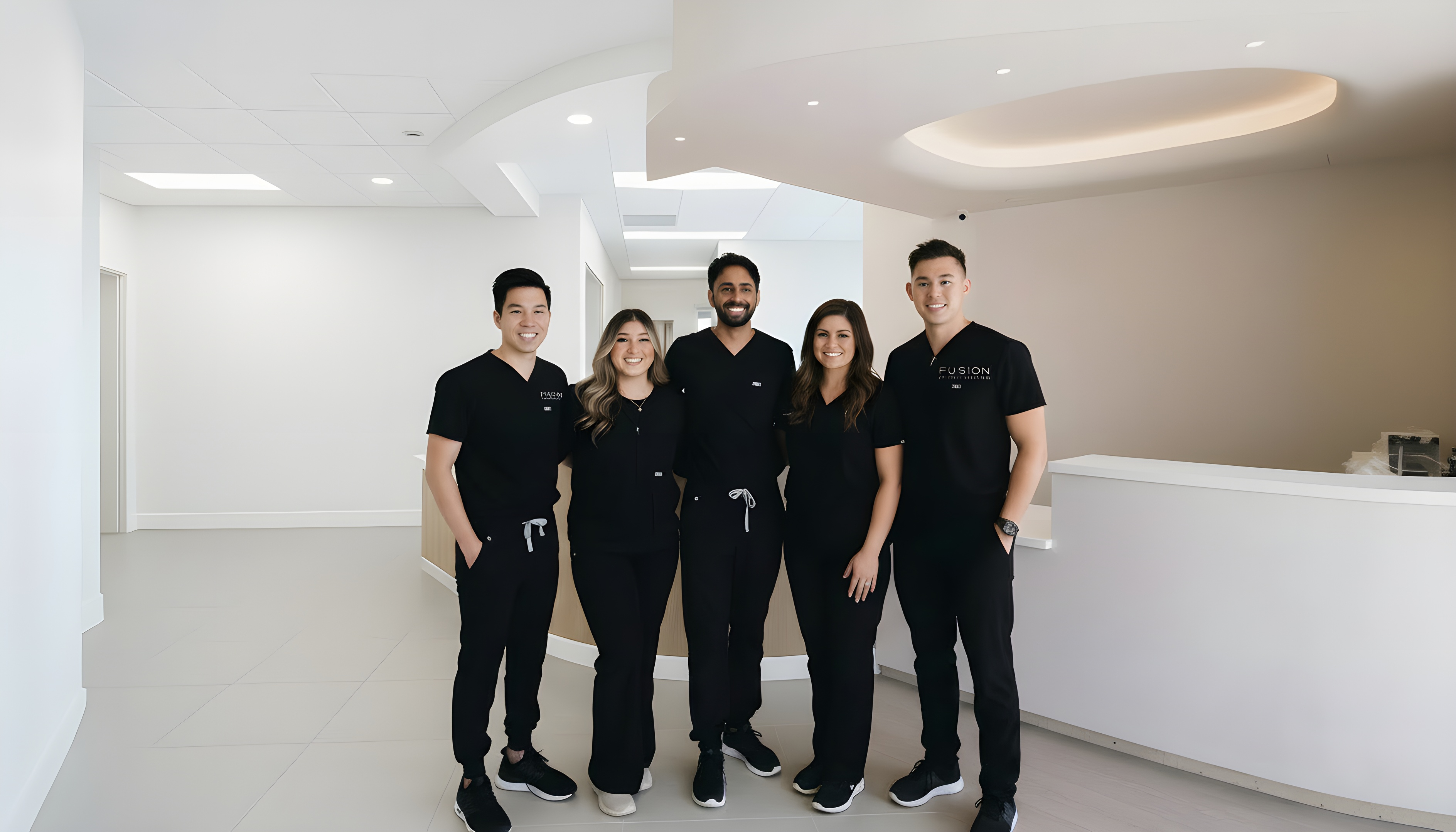
Fusion’s offices are in Roseville and El Dorado Hills. Use Find a Center to plan travel, and review the care team before your visit.
Request a free consultation to discuss a plan based on your examination.
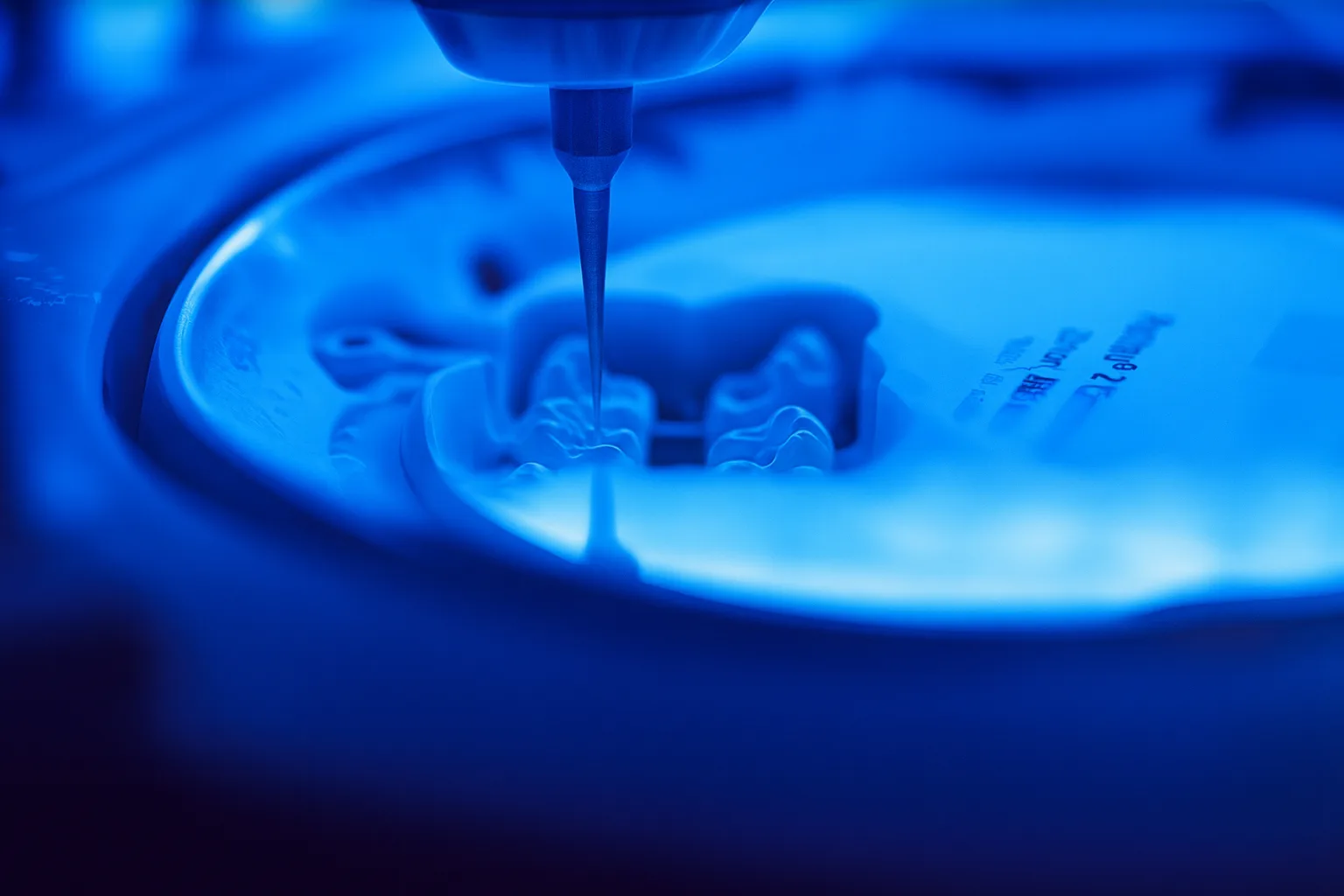
Why patients choose Fusion: In-House Dental Lab | Same-Day New Teeth for Eligible Patients | Transparent All-Inclusive Pricing | Lifetime Full-Arch Warranty (terms apply) | Price Match Guarantee (terms apply)
This article is for general patient education and is not a substitute for personalized medical advice, diagnosis, or treatment. Every patient’s oral health, anatomy, and healing response are different. Consult your dental professional before making treatment decisions.
About Fusion Dental Implants: We specialize in advanced dental implant solutions with offices in Roseville and El Dorado Hills, California.
Related reading
Frequently Asked Questions
How much does full mouth reconstruction cost in Sacramento?
There’s no single fee because the treatment plan depends on your teeth, oral health, and restorative needs. The full mouth reconstruction cost Sacramento patients are quoted reflects the procedures and restorations recommended after an assessment, not a standard package price. Plans may involve different combinations of care, so an estimate is most useful when it clearly describes the proposed treatment, stages, and inclusions.
What is usually included in a full mouth reconstruction estimate?
An estimate typically outlines the procedures recommended for your case and the planned restorative result. Depending on the plan, it may address crowns, bridges, implants, or implant-supported dentures, along with diagnostics and any preparatory procedures identified during assessment. Check whether temporary restorations, follow-up care, and maintenance are described, and note any exclusions or items that may change if new clinical findings arise.
Does dental insurance cover full mouth reconstruction?
Dental insurance may help cover some parts of treatment, but coverage depends on your plan, the procedure, and whether it’s considered functionally necessary or cosmetic. Complex restorative care may include procedures with different coverage rules, and plan limits can affect your out-of-pocket responsibility. Bring your insurance information to the consultation so the team can discuss applicable benefits. Review your plan’s coverage and limitations before making financial decisions.
Are full mouth reconstruction and full-arch dental implants the same?
No. Full mouth reconstruction describes a coordinated plan to address multiple teeth and restorative needs. Full-arch dental implants replace an entire upper or lower arch with an implant-supported restoration. The approaches can overlap when full-arch implants form part of a broader plan, but reconstruction may also involve restoring teeth that remain. The recommended option depends on clinical findings and your goals, rather than the treatment name alone.
Can I compare two full mouth reconstruction estimates if they have different totals?
Yes, but compare the treatment scope before comparing totals. Check whether both estimates address similar teeth, restorative goals, procedures, restoration types, diagnostics, temporary restorations, and follow-up care. Also identify exclusions and whether an estimate covers only an initial phase or the complete recommended plan. If the proposed approaches differ, ask for a plain-language explanation of what each is intended to achieve.
Does bone loss change a full mouth reconstruction treatment plan?
It can, particularly if dental implants are being considered, because the jawbone provides support for implants. An examination and diagnostic imaging help the care team assess available bone and understand how it may affect treatment options. In some cases, bone grafting may be considered if findings indicate it’s needed. The assessment guides the recommendation; bone loss alone doesn’t determine a specific treatment or outcome.
How do I get a full mouth reconstruction estimate in Sacramento?
Start with a consultation and clinical assessment so the care team can understand your goals and evaluate your oral health. Bring available dental records, prior imaging, medication details, and insurance information. Fusion Dental Implants provides implant-focused care, including full-arch options and complex cases, for patients in Sacramento and nearby Roseville, El Dorado Hills, Rocklin, Loomis, Lincoln, and Elk Grove. The next step is reviewing your individualized plan and estimate.
Does a per-arch price cover my whole mouth?
Not necessarily. An arch is the upper or lower set of teeth. Ask whether the quote covers one arch or both and which surgical and restorative stages are included. A full-mouth reconstruction may include treatments other than implants.
Ready to Transform Your Smile?
Schedule your free consultation today and discover how dental implants can change your life.