From a Chain Dental Center to a Local Implant Surgeon: How to Change Providers
To migrate from chain dental center to local surgeon, request your existing records, clarify what treatment is already complete, and book an independent evaluation before changing a time-sensitive care plan. A new surgeon can consider earlier work, but cannot promise to adopt the previous plan without examining you. The goal is not to prove one practice model better than another; it is to understand your options, remaining care, and who will be responsible for each step.
People seek a second opinion for many reasons: changing location, difficulty scheduling follow-up, unanswered questions about a quote, or a preference for a different communication style. A chain may offer convenient systems and multiple sites; an independent local office may organize appointments and staff differently. Neither structure tells you on its own whether the surgery or restoration is appropriate. This guide helps you move thoughtfully without abandoning useful information or assuming prior treatment must be repeated.
What changes when you choose a different implant provider?
A prior treatment plan is a snapshot of another clinician's assessment at a particular time. It may include sound recommendations and valuable imaging. But a new clinician needs to review your present oral condition and the work already done before recommending next steps. This is especially important if extractions or implant placement have already happened, a temporary prosthesis is in use, or symptoms have developed since your last appointment.
The FDA's dental implant patient guide explains implant components and potential risks; different parts of an implant-supported restoration may have different manufacturers, compatibility requirements, and maintenance needs. If implants are already in place, ask the original provider for device details, placement notes, and component information. A new clinician may need those details to determine what options are practical.
Second opinion versus full transfer
A second opinion is an opportunity to understand recommendations before deciding whether to change offices. You may ask another clinician to review records and discuss options while you remain under the first team's care. A full transfer means agreeing on who manages active treatment, future appointments, emergencies, and the final prosthesis. Ask both offices to clarify responsibilities rather than assuming scheduling a consultation transfers care.
If you have pain, new swelling, fever, uncontrolled bleeding, or a prosthesis that suddenly cannot be used, contact a dental professional promptly rather than waiting for a routine second-opinion visit. A new consultation cannot substitute for urgent follow-up from the team responsible for a recent procedure. Read our guide to implant infection warning signs for additional questions to discuss, not for self-diagnosis.
What if the recommendations differ?
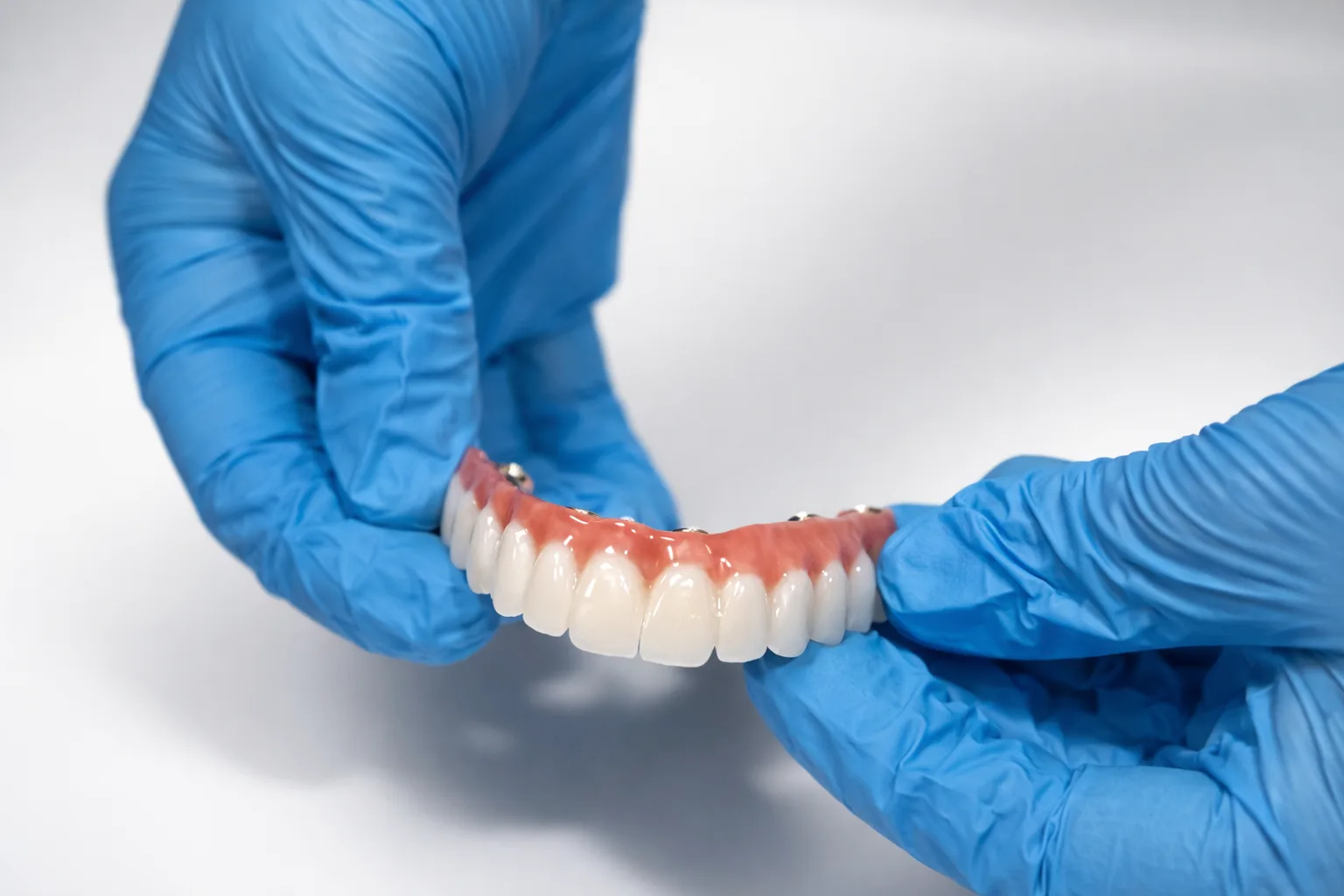
Ask each clinician to explain the evidence behind the plan: what examination findings, imaging, existing teeth, bite, or health factors shaped the recommendation? One office may propose a fixed full arch while another considers a removable implant-supported denture. The difference may reflect a different prosthetic goal, available information, or clinical judgment—not proof that either office is careless. The ADA's discussion of dentures provides general background on removable options you may hear about.
Which records should you request?
Gather what is available without delaying an appointment solely because one item is missing. Ask your current office how to request copies for yourself or have them securely sent to the receiving clinician. Confirm whether the new office can read the original image files, not just a screenshot in a report.
- Treatment plans and clinical notes: original recommendations, alternatives discussed, consent documents, procedure dates, and notes on healing or complications.
- Imaging and examination findings: X-rays, CT or cone-beam data if available, images, periodontal charting, and reports; ask for a usable digital format where possible.
- Implant and prosthetic information: number and location of placed implants, implant system and component details if recorded, any temporary denture or bridge design, and laboratory records if available.
- Medication and aftercare information: prescribed drugs, allergies documented by the office, post-operative instructions, and upcoming checks.
- Financial paperwork: itemized estimate, receipts, insurance submissions, financing agreement, and any written warranty or refund terms. These help with financial questions but do not replace a fresh clinical estimate.
Keep a simple chronology of completed procedures, appointments still planned, and who currently manages follow-up. Bring your own current medication list and relevant medical history. Do not guess missing implant system details or assume a written quote means all listed services were already performed.
Requesting and organizing the transfer
Contact the original office and ask what authorization or identification it needs to release records, how files can be sent, and whom to contact if something is missing. Ask the receiving office what it wants before the consultation and what formats it can use. Keep copies for yourself and a note of what was requested and received. Specific rights, fees, and timelines depend on applicable rules and the circumstances of your request; confirm with the offices rather than relying on an assumed deadline.
If you cannot get everything, tell the new team exactly which items are unavailable. It may still be possible to schedule an assessment. The clinician will decide whether the available records are enough or whether updated imaging or other examination is needed. Read our implant consultation question list before the visit.
How to compare a chain and a local surgeon fairly
Focus on specific people, processes, and treatment plans. Ask the same questions at each office and take notes about the answers. A familiar name or a local address does not establish clinical superiority; a provider's title alone does not explain what they will personally do for your case.
| What to compare | Questions for your current center | Questions for a prospective local practice |
|---|---|---|
| Who treats you | Who places implants and who designs and delivers the teeth? | Who assesses prior work and performs each remaining stage? |
| Existing records | Which imaging, notes, and component details can be sent? | Can the team review the files and identify any gaps? |
| Proposed treatment | Why is this particular fixed or removable design recommended? | Does the new plan differ, and which findings explain why? |
| Appointments | Which surgical, healing, and prosthetic visits are still planned? | Where and when could needed assessment and follow-up happen? |
| Aftercare | Who handles questions or urgent concerns after a procedure? | Who will manage future hygiene, repairs, and complications? |
| Written costs | Which paid services are complete, pending, or refundable under current terms? | What is included in a new estimate and what could cost extra? |
Ask about the clinician's relevant training and experience with the particular type of treatment being discussed, while avoiding assumptions based solely on practice size. If your concern is a failing implant or a prior restoration, be clear that you are seeking assessment of existing work, not simply a new implant quote. Our articles on whether a failing implant can be saved and correcting bite problems after implant work suggest useful topics for a discussion, but cannot diagnose your case.
Compare the same treatment scope
Two estimates with different totals may describe different arches, prostheses, or stages. Confirm whether each includes imaging, preparation, surgery, temporary teeth, final restoration, follow-up, and potential repairs. If some implants are already placed, ask whether the new clinician has enough information to assess their position and compatibility before planning the final teeth. Neither an old payment nor a new consultation ensures that previous hardware can be reused.
Fusion advertises fixed full-arch treatment from $17,999 per arch, but that is a starting price for new full-arch treatment, not a universal fee to transfer an in-progress case. A single implant is advertised from $1,850; that does not imply that a complex revision costs the same. Any transfer or revision needs a case-specific written estimate. Our implant costs guide covers questions about itemized quotes.
A practical transition plan
The path at a glance: Identify concerns → Request records → Arrange case review → Compare written recommendations → Coordinate active care → Confirm next steps and follow-up.
Before the appointment
Write down what prompted the change. Is it the explanation of the plan, the design of the teeth, cost, appointment coordination, or the ability to reach the team after surgery? Distinguish a question you can ask your current provider from a decision you have already made to leave. Request records, make a list of procedures completed and planned, and tell the prospective practice if surgery is recent or another visit is scheduled soon.
Bring treatment documents, available images, financial paperwork, medication list, and any instructions about a temporary appliance. If the documents have not arrived, provide the dates and details you do know without presenting guesses as facts. Ask whether the consultation will include an examination, imaging, and a written plan, and whether any of those steps carry separate fees.
During and after the review
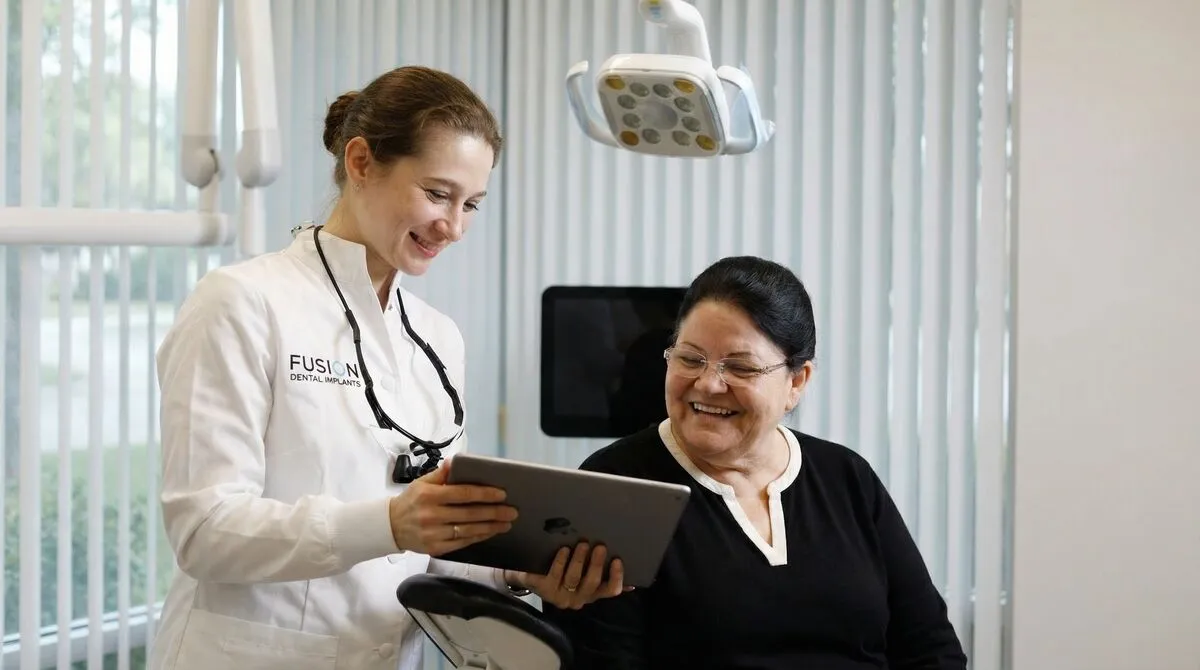
Ask what information the surgeon has reviewed and what remains unknown. Request an explanation of the options, the reason for any proposed change, and who would manage each step. If a different approach is recommended, ask how it affects healing, existing components, the temporary teeth you wear now, timing, and costs.
Do not cancel scheduled post-operative checks or stop prescribed care solely because you booked another consultation. Clarify with both teams who is covering immediate concerns and how a transfer would be coordinated. Keep a written summary of decisions and request an updated plan if a recommendation changes after additional records or imaging.
For cost, request itemized statements from your current office and a new itemized estimate from the prospective office. Ask about refund or credit provisions under existing agreements instead of assuming payments transfer between unrelated practices. If considering financing or price-match terms, review current eligibility and written terms; neither automatically applies to previously completed work.
Finding a local consultation near Roseville
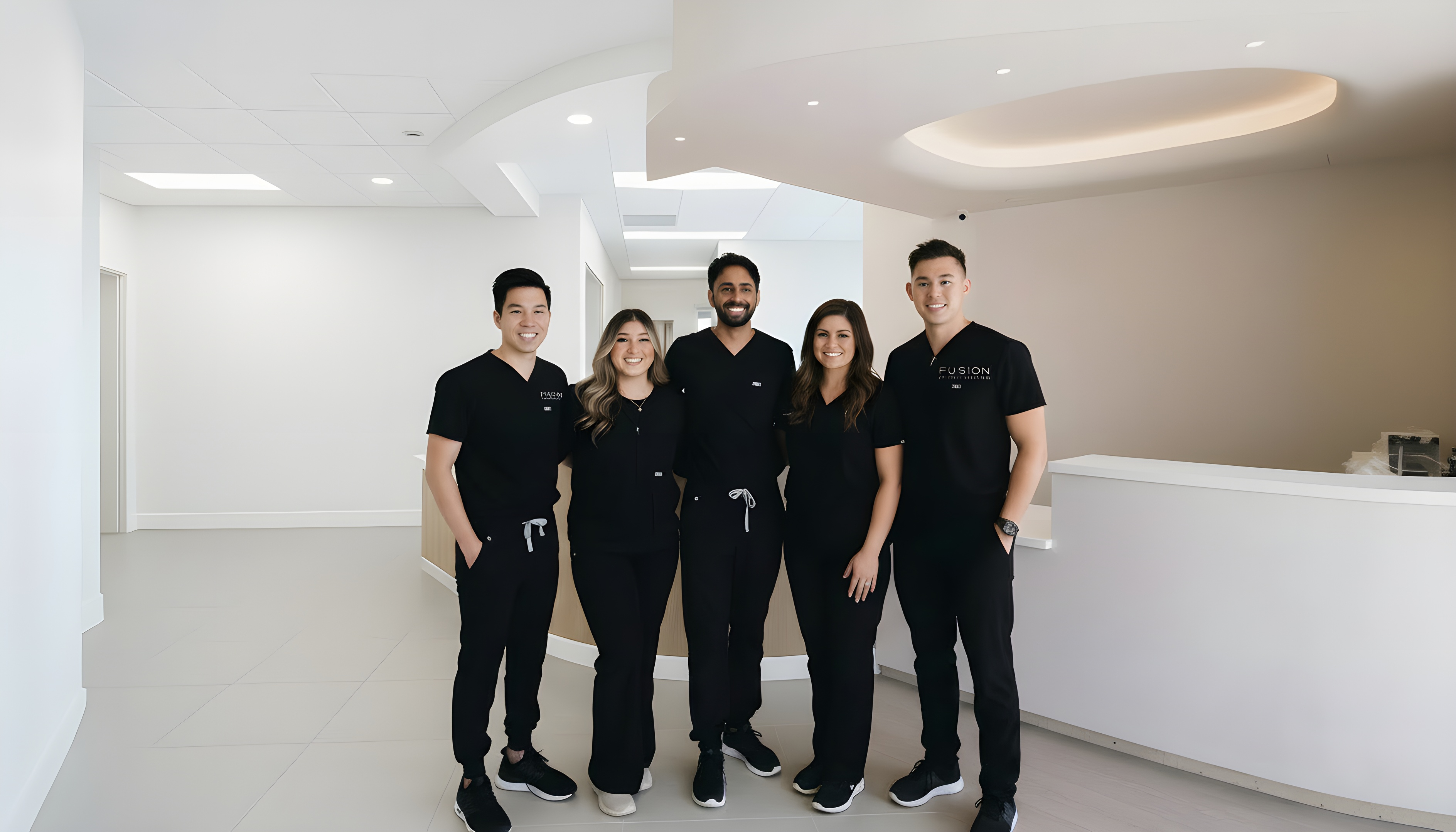
Fusion Dental Implants has offices in Roseville and El Dorado Hills and serves patients from Sacramento, Rocklin, and other nearby communities. Local proximity can make repeated visits easier to plan, but it is one consideration alongside the proposed treatment, communication, and continuity. Ask which office can assess your case and who would handle follow-up. A consultation can clarify possibilities; it cannot guarantee that earlier treatment will continue unchanged.
When you contact a new office, lead with the most useful facts: treatment already completed, current symptoms or concerns, your next scheduled visit, and whether you have records. Ask what to bring and what the clinician will be able to assess at the first appointment. You have room to ask questions and consider a plan before deciding; changing clinicians should be an informed choice, not a reaction to a sales deadline.
Request an implant consultation to discuss an individual case review with Fusion Dental Implants.
About Fusion Dental Implants: We provide implant treatment at offices in Roseville and El Dorado Hills, California.
This article is for general patient education and is not a substitute for personalized medical advice, diagnosis, or treatment. Your dental professional can evaluate your health, anatomy, and options.
Related reading: Questions before implant treatment, what to know before implants, and full-mouth implant cost and process.
Frequently Asked Questions
Can I switch dental implant providers in the middle of treatment?
You can request an evaluation from another clinician after treatment has started. The new team must review your current condition and records before recommending whether and how to continue care. Coordinate any existing appointments and follow-up with both offices, especially if you have recently had surgery.
How do I transfer my dental records to a new implant surgeon?
Ask the current office for its records-release process and request treatment plans, clinical notes, imaging in a usable format, implant details, and relevant prescriptions or instructions. Keep copies and ask the receiving office how it prefers to receive them. Confirm the applicable process and timing with both teams.
Will the new surgeon follow my original treatment plan?
Not automatically. A previous plan provides useful context, but the new clinician has to assess your mouth, health, completed procedures, and current imaging before making a recommendation. If the recommendation differs, ask which findings led to the change; a difference alone does not mean the first plan was wrong.
Will I need new X-rays or a 3D dental scan?
Possibly. Existing imaging may be useful if it is current, complete, and readable, but the clinician may need an examination or updated images if your condition has changed or information is missing. Ask what the new scan would clarify and whether it is included in the consultation estimate.
Could changing providers delay my implant treatment?
It might. Records requests, appointment availability, healing checks, and any new assessment can affect timing. If an urgent or time-sensitive step is pending, ask both teams how to coordinate it rather than cancelling existing care before you know what comes next.
How do I compare a chain dental center with a local practice?
Assess the individual clinician and actual plan, not the business model alone. Ask who handles surgery, prosthetic work, records, after-hours concerns, and follow-up. Compare written alternatives and costs for the same scope of care, including care already completed and services still needed.
Will I have to pay again for work already done?
A new office's estimate should identify what can be assessed or reused and what additional treatment it recommends; payment and refund terms at the first office are governed by its agreements and completed services. Ask each office for itemized statements and current written terms before assuming fees transfer.
Where can I request a local implant consultation near Roseville?
Fusion Dental Implants has offices in Roseville and El Dorado Hills and serves patients from Sacramento, Rocklin, and surrounding communities. Contact the team with a summary of completed work and ask what records to bring, which location can see you, and how an individual assessment will be scheduled.
Ready to Transform Your Smile?
Schedule your free consultation today and discover how dental implants can change your life.