Permanent Teeth Implants: The Complete Guide to a Fixed, Natural Smile
Medically reviewed byDr. Alexander Antipov— 2026-07-13
Permanent teeth implants are titanium or zirconia posts anchored in your jawbone that support fixed, non-removable replacement teeth, restoring near-natural chewing power and stopping the bone loss that dentures cannot prevent. At Fusion Dental Implants in Roseville and El Dorado Hills, board-certified oral surgeons place everything from a single permanent tooth to full-arch fixed bridges, often with a fixed temporary smile the same day.
This guide is for general information and does not replace a clinical evaluation. The right option for you depends on your imaging, health history, and goals. Consult a qualified implant surgeon for a personalized plan.
If you are weighing your options, here is how the main tooth replacement paths compare:
| Option | Removable? | Preserves Jawbone? | Daily Care | Starting Price at Fusion |
|---|---|---|---|---|
| Single permanent implant | No | Yes, at that site | Brush and floss normally | $1,850 |
| All-on-4 fixed full-arch bridge | No | Yes | Brush plus water flosser | $17,999 per arch |
| Snap-in implant denture | Yes, nightly | Partially | Remove and clean nightly | Varies by case |
| Traditional denture | Yes | No, accelerates bone loss | Soak and adhesives | Not an implant solution |
What Makes an Implant "Permanent"?
A permanent implant is not just a replacement tooth. It is a three-part system that replaces the tooth root itself:
- The post: a threaded titanium or zirconia cylinder placed in the jawbone, where a process called osseointegration fuses it to the bone for life
- The abutment: a connector shaped to your gum line for a precise, healthy fit
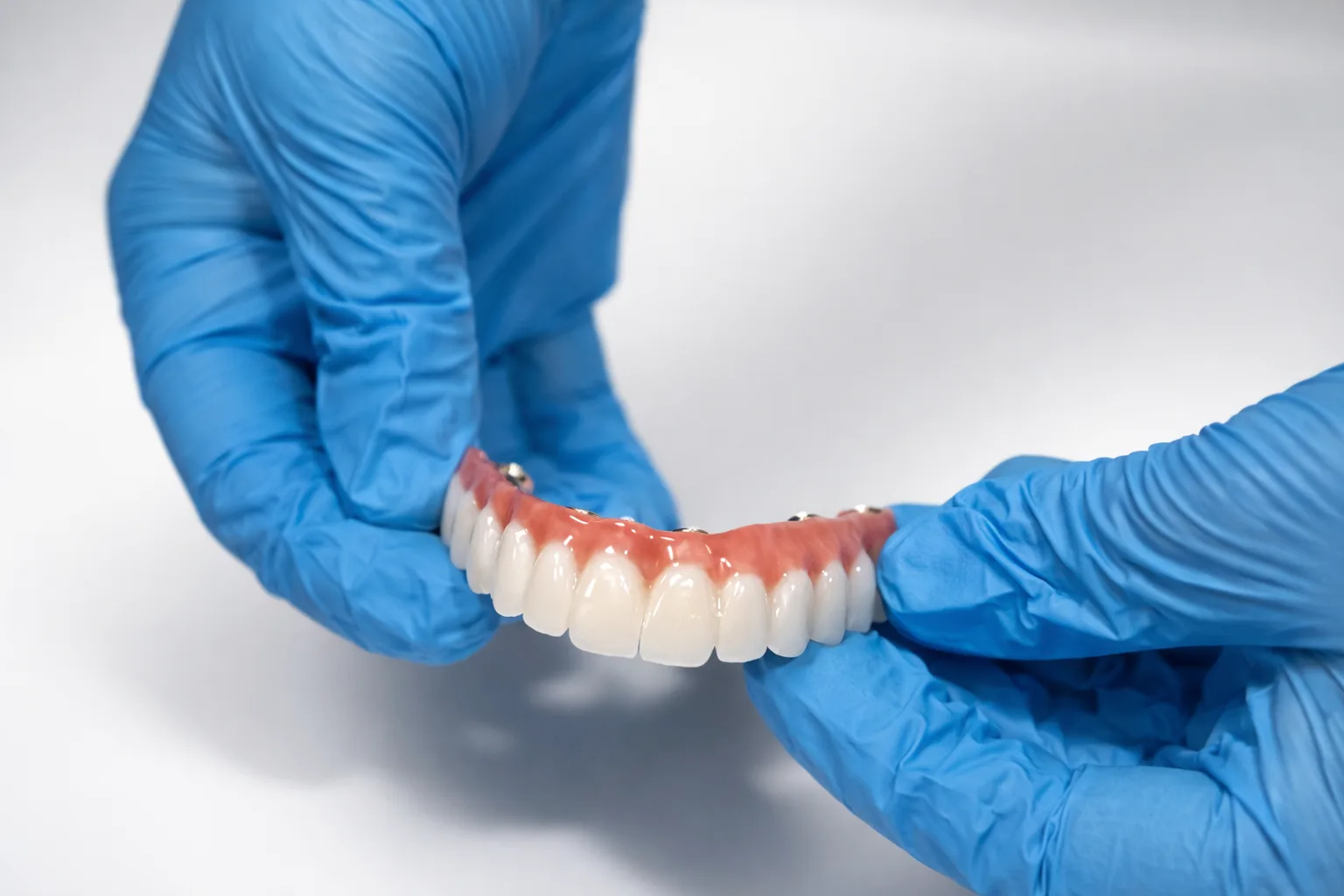
- The prosthetic: the visible crown or full-arch bridge that looks and works like natural teeth
The root replacement is what separates implants from every other option. When a tooth root is lost, the jawbone stops receiving stimulation and begins to shrink, which is why dentures loosen over the years and why long-term denture wearers develop a sunken facial appearance. An implant restores that stimulation and keeps the bone dense. For a deeper foundation on how the biology works, see our complete guide to dental implants.
Implants vs. Dentures: The Lifestyle Difference
Traditional dentures rest on the gums, restore only a fraction of natural chewing power, and require adhesives and nightly soaking. Fixed implant teeth stay in your mouth around the clock, return near-natural bite strength for foods like steak, apples, and crunchy vegetables, and are cleaned by brushing, the same way you have always cared for teeth.
Snap-in implant dentures sit in between: they click onto two or more posts for far better stability than a traditional denture, but they still come out at night. Our snap-on dentures guide covers when that middle path makes sense and when a fixed bridge is worth the difference.
The Procedure: From 3D Scan to Same-Day Teeth
Planning starts with a 3D CBCT scan rather than a flat X-ray. The scan maps your bone density and nerve paths in fine detail, so your surgeon plans exact implant positions digitally before surgery begins. That planning is what makes efficient, predictable surgery and same-day results possible.
On surgery day, the posts are placed in the pre-planned sites under local anesthetic, with IV sedation available so you stay relaxed and typically remember nothing. Over the following three to six months, the bone fuses with the posts. The U.S. Food and Drug Administration publishes plain-language information on dental implant benefits and risks if you want the regulatory perspective on safety.
What "teeth in a day" really means
With full-arch treatment, you leave the office with a fixed temporary bridge attached the same day, not gaps and not a removable denture. That first bridge protects the surgical sites while the bone heals, which is why a soft-food diet matters during the initial 12 weeks. Once integration is complete, the temporary is replaced with your final restoration. Our surgeons explain the full timeline in Teeth in a Day: Dr. Antipov Explains.
Choosing Your Configuration and Material
Single tooth: an implant replaces the root and crown without grinding down healthy neighbors the way a bridge does. See our single tooth implant guide.
Full arch: All-on-4 supports an entire row of fixed teeth on four to six angled posts, reducing surgical time and often eliminating bone grafting.
Material: titanium has decades of clinical history and excellent strength. Zirconia is a metal-free ceramic alternative suited to patients with metal sensitivities, and its white color avoids any dark shadow at the gum line in thin gum tissue. Our comparison of zirconia implant pros and cons goes deeper.
Who Qualifies, Even with Bone Loss?
Years of missing teeth or denture wear do shrink the jawbone, but that rarely closes the door. Angled All-on-4 placement uses the denser bone at the front of the jaw, grafting and sinus lifts rebuild individual sites, and zygomatic implants anchor in the cheekbone for the most severe upper jaw cases. Health factors like well-managed diabetes or a smoking history are variables to plan around, not automatic disqualifiers.
Long-term evidence supports this planning-first approach: a 20-year analysis of more than 10,000 implants found high survival rates even when bone augmentation was part of treatment. If you have been told "no" elsewhere, our article on implant eligibility with bone loss separates the myths from the reality.
The Investment: Cost, Financing, and Long-Term Value
A trustworthy quote covers everything: the surgeon's fees, the surgical facility, anesthesia, and the custom fabrication of your prosthetic teeth. At Fusion Dental Implants, a single implant starts at $1,850 and All-on-4 starts at $17,999 per arch, with an all-inclusive quote provided after your 3D scan and backed by our price match guarantee, so you do not have to choose between a big-chain price and specialist care.
Ways to manage the investment:
- Insurance: many PPO plans cover a portion, typically capped at $1,500 to $2,000 per year. Details in our California implant insurance guide
- HSA and FSA: implants are a qualified expense, so pre-tax dollars stretch further
- Financing: monthly payment plans through third-party lenders are available for most credit situations. See all costs and financing options
The long-term math favors permanence. Traditional dentures typically need replacement every five years or so, plus ongoing relines and adhesives, while a well-maintained implant restoration is built to last decades.
Why Patients Choose Fusion Dental Implants
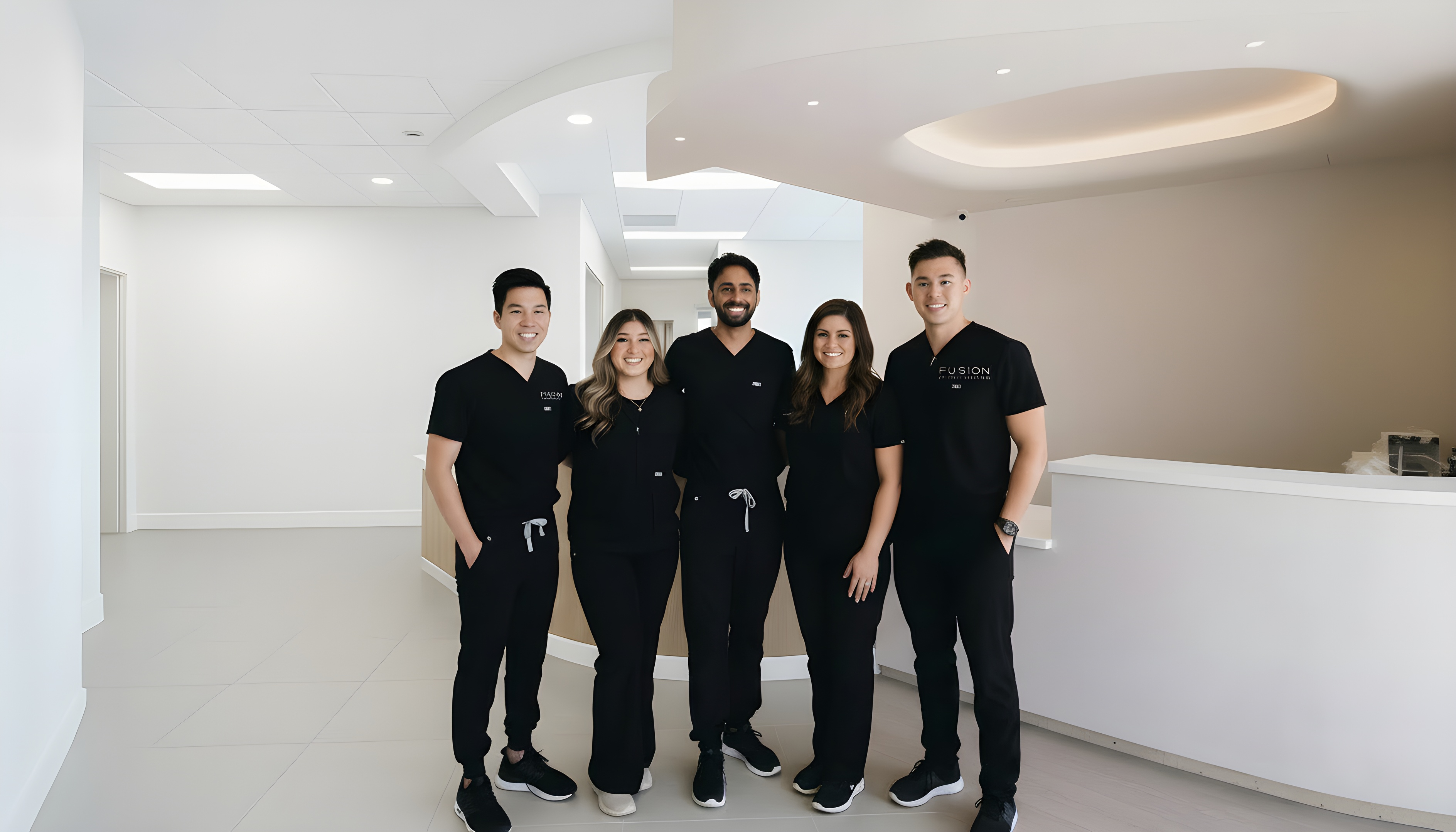
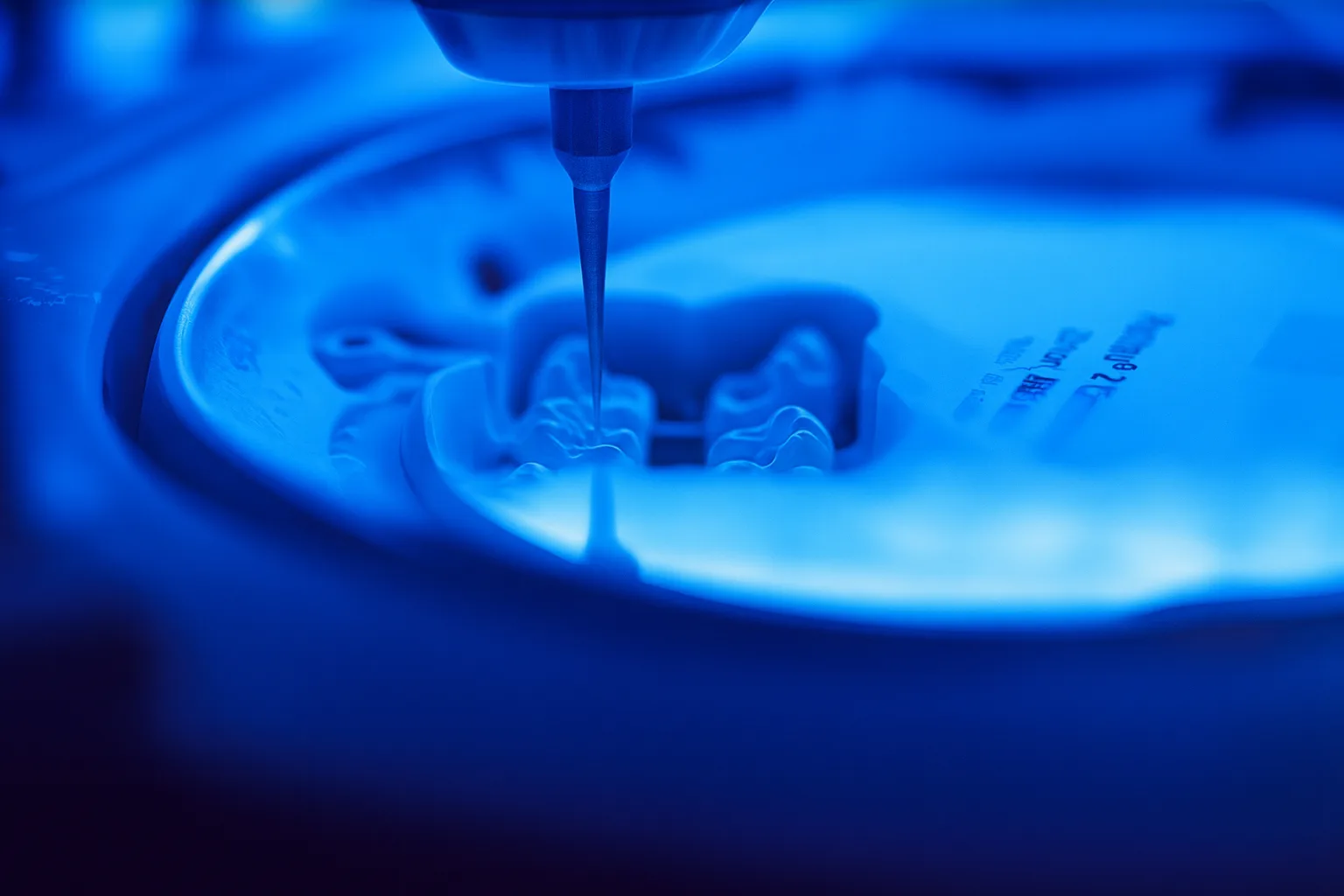
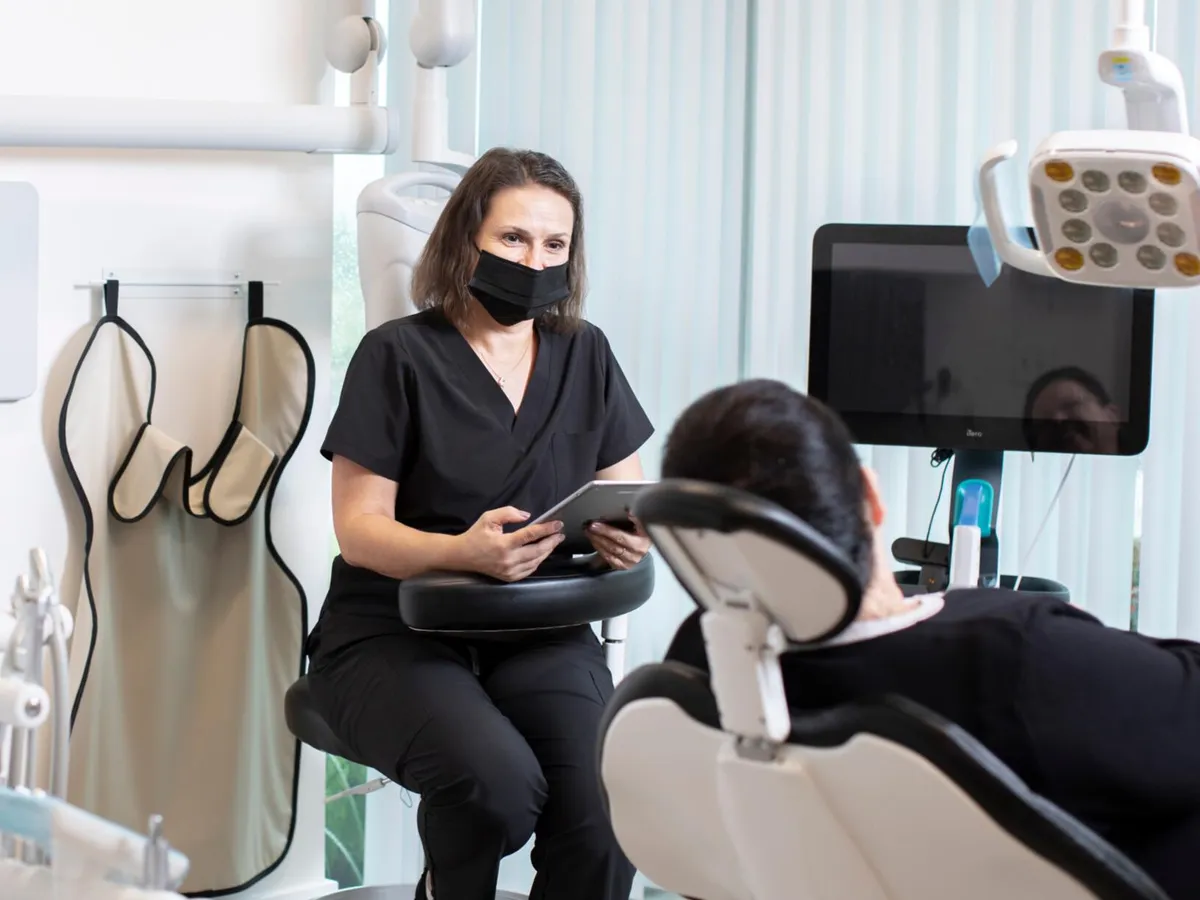
Our board-certified oral surgeons perform same-day full-arch procedures using a fully digital workflow, with an on-site lab for same-day prosthetic adjustments. We serve patients from our offices in Roseville and El Dorado Hills, covering Sacramento, Folsom, Rocklin, Lincoln, and the surrounding Northern California communities. Every plan starts with a free consultation and a transparent, all-inclusive quote.
Schedule your free consultation
Frequently Asked Questions
How long do permanent teeth implants actually last?
The implant post is designed to be a lifelong solution: once it fuses with your jawbone, it becomes a permanent part of your anatomy. The visible crown or bridge experiences normal wear and may need replacement after 15 to 20 years. Long-term clinical data spanning 20 years and more than 10,000 implants shows high survival rates with proper care.
Is the permanent implant procedure painful?
You should not feel pain during placement. Local anesthetic numbs the surgical area completely, and IV sedation keeps you relaxed and typically without memory of the procedure. Most patients compare recovery to a tooth extraction, with mild swelling managed by rest and prescribed aftercare for a few days.
Can I get permanent implants if I have significant bone loss?
In most cases, yes. All-on-4 places angled implants in the naturally denser bone at the front of the jaw, often avoiding grafting entirely. Where more foundation is needed, bone grafting or a sinus lift can rebuild it, and zygomatic implants handle the most severe upper jaw cases.
What is the difference between All-on-4 and traditional implants?
Traditional methods use a separate implant for each missing tooth or a bridge supported by several posts. All-on-4 supports an entire arch of fixed teeth on four to six strategically angled implants, which shortens surgery, often eliminates grafting, and allows a fixed temporary bridge the same day.
How much do permanent teeth implants cost in California?
At Fusion Dental Implants, a single implant starts at $1,850 and full-arch All-on-4 treatment starts at $17,999 per arch. The final figure depends on extractions, materials, and case complexity, so we provide a transparent all-inclusive quote after your 3D scan, backed by a price match guarantee.
How do I clean and maintain permanent implants?
Very much like natural teeth: brush twice daily with a soft-bristled brush and clean around the posts and under a fixed bridge with a water flosser or implant-safe floss. Keep regular professional cleanings so your specialist can monitor gum health and confirm the restoration stays secure.
What happens if a dental implant fails?
Failures are uncommon, and most can be resolved. If an implant does not integrate with the bone, it can usually be removed, the site allowed to heal, and a new implant placed. Close monitoring during the first months of healing catches problems early, when they are easiest to fix.
Are permanent teeth implants covered by dental insurance?
Many PPO dental plans cover a portion, though benefits are often capped at an annual maximum between $1,500 and $2,000. HSA and FSA funds can be applied with pre-tax dollars, and financing plans spread the remainder into monthly payments.
About Fusion Dental Implants: We specialize in advanced dental implant solutions with locations in Roseville and El Dorado Hills, California. Call (916) 292-9998 to schedule your free consultation.
Related reading
Ready to Transform Your Smile?
Schedule your free consultation today and discover how dental implants can change your life.