
Full Mouth Dental Implants Cost: A 2026 Guide to Value and Financing
Medically reviewed byDr. Alexander Antipov— 2026-07-17
Full mouth dental implants in 2026 typically range from the low $20,000s to $50,000 or more for both arches nationally, depending on materials and implant count. At Fusion Dental Implants in Roseville and El Dorado Hills, fixed All-on-4 treatment starts at $17,999 per arch with transparent, all-inclusive pricing from board-certified oral surgeons. This guide breaks down what drives the number and how patients actually pay for it.
Prices reflect typical market ranges and Fusion Dental Implants' published starting price. Your final cost depends on your imaging, bone density, materials, and any preparatory work. This is general information, not financial or medical advice.
| Option | What it is | Cost profile | Ongoing maintenance |
|---|---|---|---|
| All-on-4 fixed bridge | Non-removable full arch on 4 to 6 implants | From $17,999 per arch at Fusion | Brush and floss like natural teeth; bridge refresh in 10 to 15 years |
| Snap-in implant denture | Removable arch that clicks onto 2 to 4 implants | Lower upfront cost | Nightly removal, attachment replacements, periodic relines |
| Traditional denture | Removable, rests on gums | Cheapest upfront | Adhesives, relines, replacement; does not stop bone loss |
What Drives the Cost of a Full-Arch Quote
A full mouth restoration is a three-part system, and an honest quote prices all three:
- The implants: titanium or zirconia posts placed in your jawbone that act as new tooth roots and, through osseointegration, stop the bone loss that causes facial collapse.
- The abutments: the connectors between the posts and your new teeth.
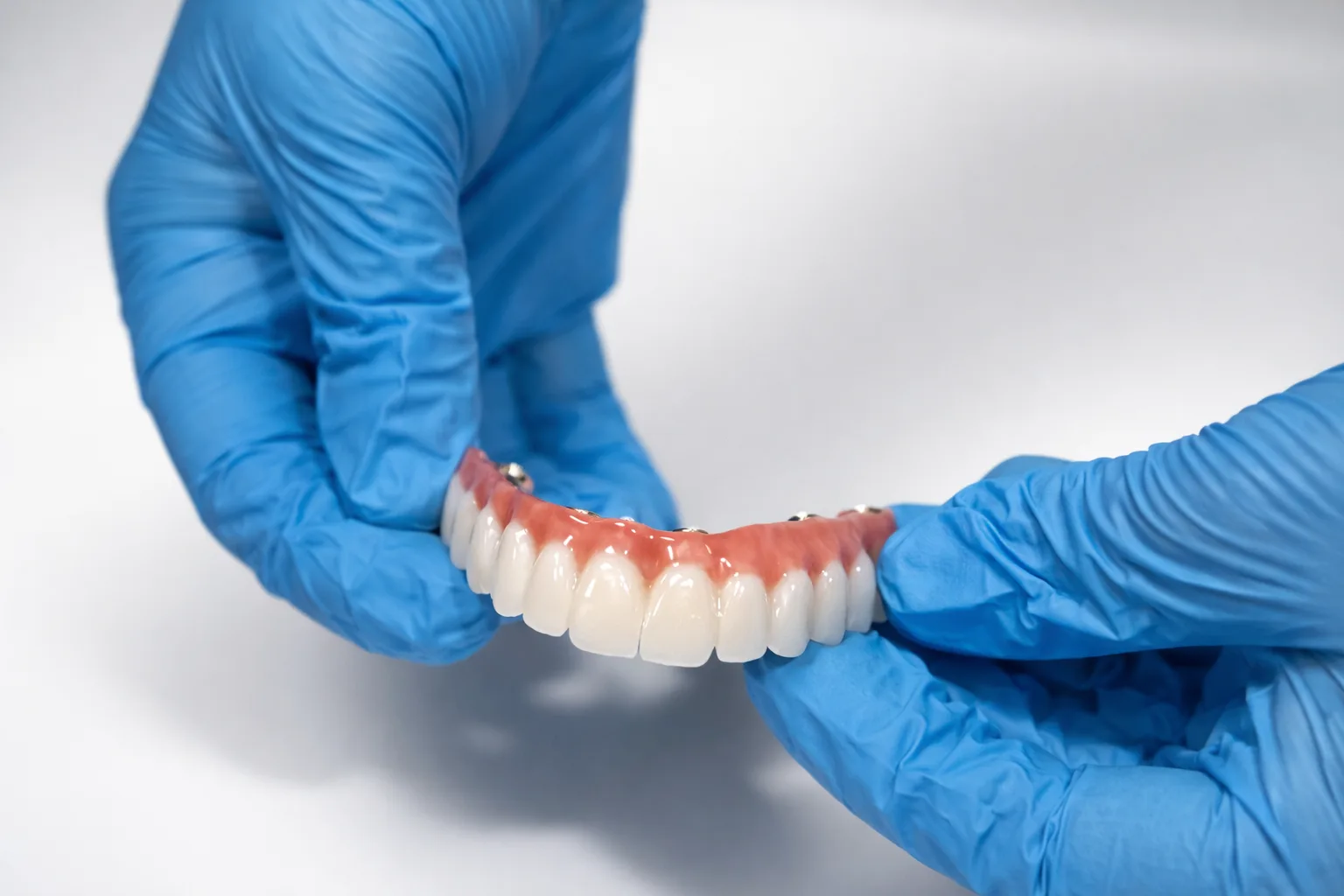
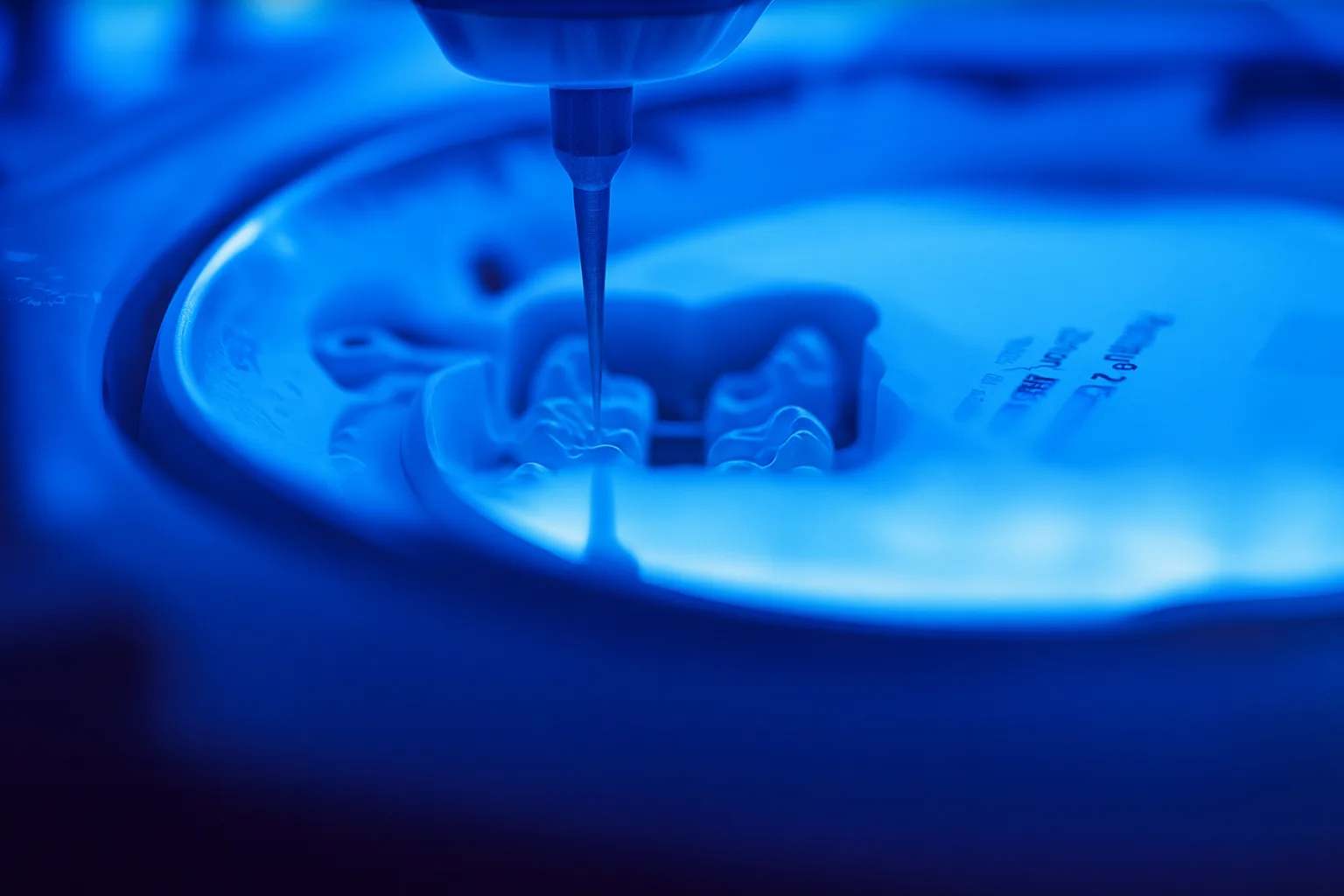
- The prosthetic bridge: the custom-milled arch itself, designed with CAD/CAM technology to match your facial structure and bite.
Materials move the number meaningfully. Acrylic bridges cost less upfront; zirconia costs more but resists fracture and staining and mimics the translucency of natural enamel, which is why many patients see it as the better decade-long value. Our comparison of zirconia vs. acrylic full-arch teeth covers the tradeoff in detail, and the FDA's overview of dental implant benefits and risks is a good neutral primer before you commit anywhere.
Implant count matters too: four implants per arch is the stable baseline, while some bites and bone profiles call for six. Our guide to All-on-X costs by implant count explains when more posts earn their keep.
All-on-4 vs. Snap-In Dentures: The Value Question
All-on-4 is the fixed, non-removable standard. The back implants are tilted to anchor in your densest available bone, which often lets patients with moderate bone loss skip grafting and its added cost and months of healing. It stays in around the clock, feels closest to natural teeth, and with the Teeth in a Day protocol you leave surgery with a fixed temporary bridge the same afternoon. Explore the details on our full-arch service page.
Snap-in dentures are the accessible entry point: fewer implants, lower upfront cost, and vastly better stability than adhesive dentures. The tradeoffs are nightly removal and ongoing maintenance, since attachments wear out and the denture base needs relining as gums change. For some anatomies, especially extensive bone loss that cannot support angled fixed placement, snap-ins are also the clinically safer choice. Our snap-on dentures guide breaks down their long-term costs.
The ten-year view is where fixed solutions usually win: fewer maintenance visits, no replacement adhesives or relines, and better bone preservation, which protects you from the escalating costs of a shrinking jaw.
Surgical Factors That Move Your Personal Quote
- Bone condition. Years of missing teeth shrink the jawbone. Grafting or sinus lifts can rebuild a site, but angled placement guided by 3D imaging often makes them unnecessary. This is the single biggest reason quotes differ from patient to patient, and why bone loss myths scare away many people who would actually qualify.
- Extractions. Failing teeth are usually removed the same day implants are placed, one surgery and one recovery instead of two.
- Sedation. Full-arch surgery typically uses IV sedation, which keeps you comfortable and lets the surgeon work efficiently in a single session.
- Who operates. A board-certified oral surgeon's fee reflects hospital-based surgical training, and that expertise is your best insurance against the most expensive outcome in implant dentistry: failure and revision surgery. Getting it right the first time is the real cost-saving strategy. See specialist vs. general dentist for what that difference buys.
How Patients Actually Pay for It
Insurance. Most plans cap annual benefits at $1,500 to $2,000 and treat full-arch work as a major procedure. Those benefits still help: apply them to extractions or the prosthetic, and when your plan allows, split phases across two calendar years to use two annual maximums.
HSA and FSA funds. Implants are a qualified medical expense, so paying with pre-tax dollars effectively discounts the cost by your tax rate. Full-arch cases also frequently clear the IRS threshold for deducting unreimbursed medical expenses above 7.5% of adjusted gross income; confirm the specifics with a tax professional.
Financing. Monthly payment plans through healthcare lenders turn the investment into a predictable budget line. Our guides to financing options in California and monthly payment plans walk through how patients structure it, and our costs and financing page has current programs.
The price match guarantee. If a local specialist quotes the same treatment plan and materials for less, we match it. You should never have to choose between a board-certified surgeon and a fair price.
Getting Your Real Number
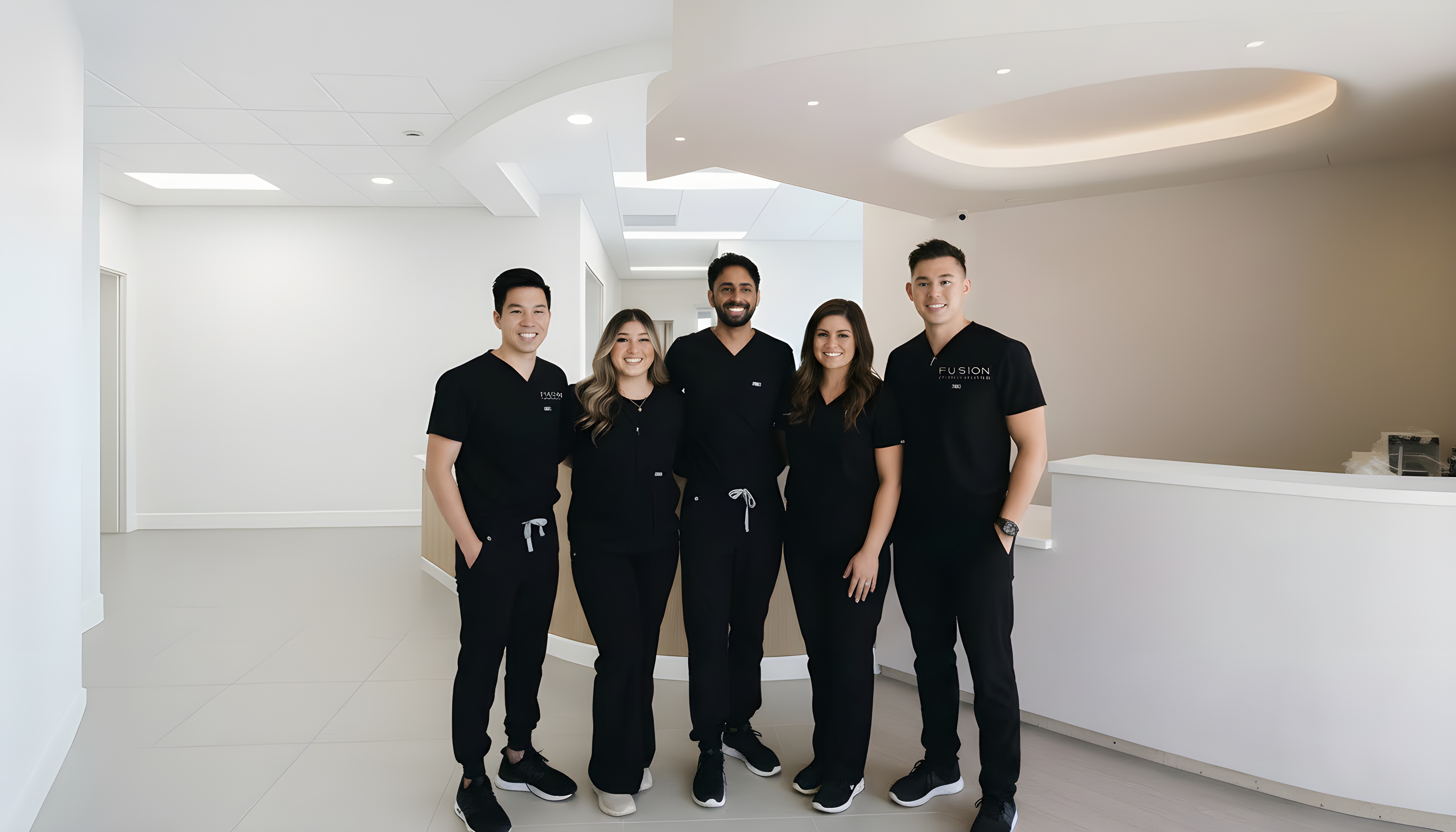
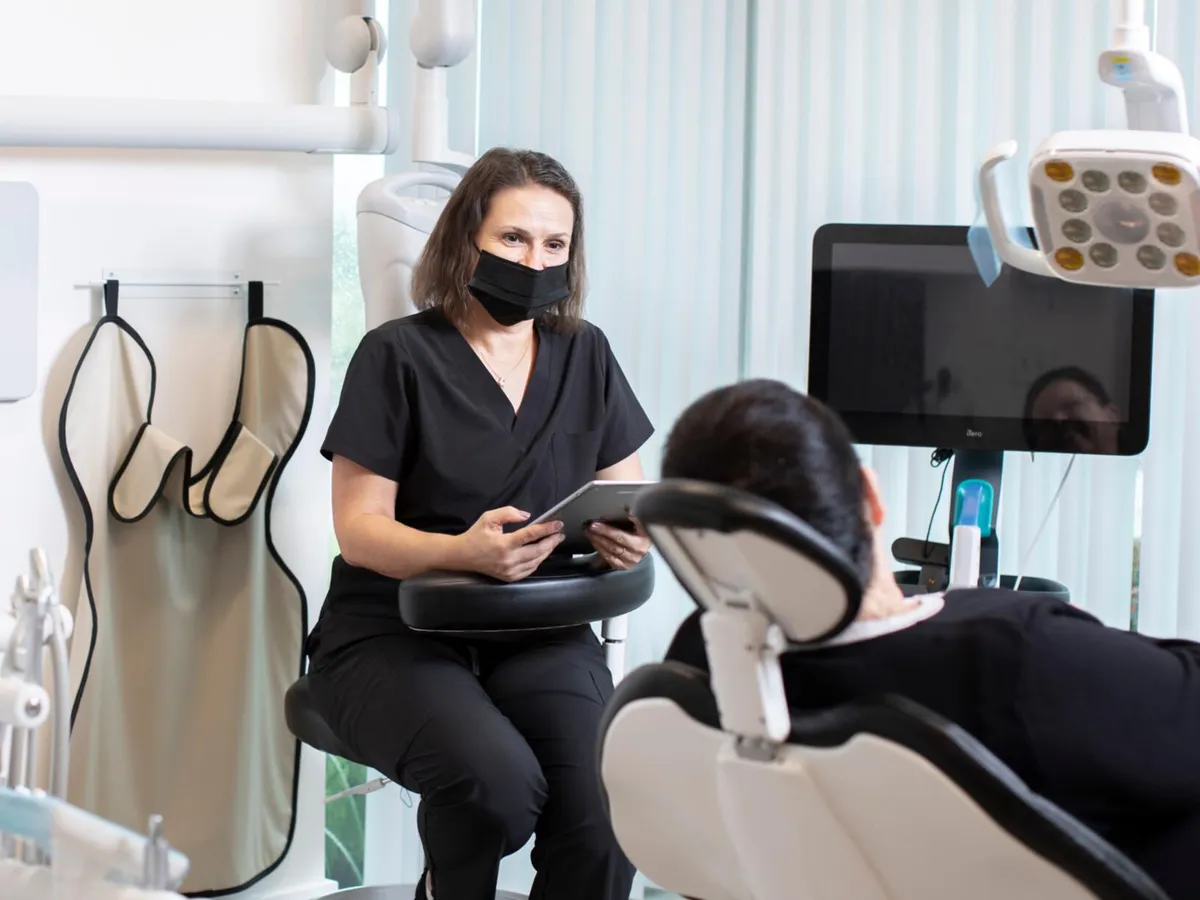
National ranges are useful context, but your actual quote comes from your anatomy. At Fusion Dental Implants, your consultation includes 3D imaging that maps your bone in three dimensions, a treatment plan from board-certified oral surgeons, and one all-inclusive figure covering diagnostics, surgery, sedation, and the restoration, with no add-on fees appearing later. We serve the Sacramento region and all of Northern California from offices in Roseville and El Dorado Hills, and same-day Teeth in a Day treatment means even traveling patients need only a few total visits.
Schedule your free full-arch consultation or call (916) 292-9998 to get your personalized quote and financial roadmap.
Frequently Asked Questions
Does dental insurance cover the full cost of full mouth implants?
Rarely. Most plans classify full-arch restoration as a major procedure and cap annual benefits between $1,500 and $2,000. You can often apply those benefits to extractions or the prosthetic bridge, and when your plan allows, scheduling phases across two calendar years lets you use two annual maximums. The majority of the cost is still an out-of-pocket investment.
What is the average life expectancy of a full mouth dental implant system?
The titanium or zirconia posts that fuse with your jawbone are designed to last a lifetime with good hygiene and regular checkups. The visible bridge experiences daily chewing wear and, depending on whether it is acrylic or zirconia, may need replacement every 10 to 15 years to maintain optimal function.
Are there more affordable alternatives to fixed full mouth implants?
Snap-in implant dentures are the most cost-effective implant option. They use fewer implants, cost less upfront, and are far more stable than adhesive dentures, but they remain removable and need periodic attachment replacement and relines. Traditional dentures are cheapest upfront but do nothing to stop the bone loss that implants prevent.
How does bone loss affect the total cost of full mouth implants?
Significant bone loss can add preparatory procedures like grafting or sinus lifts, which add materials, surgical time, and healing months. However, angled All-on-4 placement anchors implants in your densest remaining bone and often avoids grafting entirely, which is why a 3D scan frequently produces a lower real quote than patients fear.
Can I get full mouth dental implants in a single day?
Yes. With the Teeth in a Day approach, extractions, implant placement, and a fixed temporary bridge happen in one surgical visit, so you never spend a day without teeth. After the implants fuse over several months, the temporary arch is replaced with your final custom-milled bridge.
What financing options are available for patients without insurance?
Most patients use monthly payment plans through healthcare lenders, often combined with pre-tax HSA or FSA dollars, which effectively discount the cost by your tax rate. At Fusion Dental Implants we build a financial roadmap at your consultation covering financing terms, tax-advantaged funds, and any insurance benefits you do have.
Why is there such a wide range in full mouth implant quotes?
Quotes vary with materials (acrylic vs. zirconia bridge), the number of implants (four vs. six per arch), surgeon credentials, and what is actually included. Many low quotes exclude extractions, sedation, or the final bridge. A reliable quote is all-inclusive, covering diagnostics through the finished restoration.
Is the cost of full mouth implants tax-deductible?
Often, yes. The IRS generally allows unreimbursed medical and dental expenses that exceed 7.5% of your adjusted gross income to be deducted, and a full-arch restoration frequently clears that threshold. Consult a tax professional to confirm how the deduction applies to your situation.
About Fusion Dental Implants: We specialize in advanced dental implant solutions with locations in Roseville and El Dorado Hills, California, serving the Sacramento region and all of Northern California. Call (916) 292-9998 to schedule your free consultation.
Related reading
Ready to Transform Your Smile?
Schedule your free consultation today and discover how dental implants can change your life.